
Cardiovascular Simulator
Coronary catheterization training station
A portable, high-fidelity simulator for cardiovascular angiography training — with real instruments, real, and an immersive virtual environment
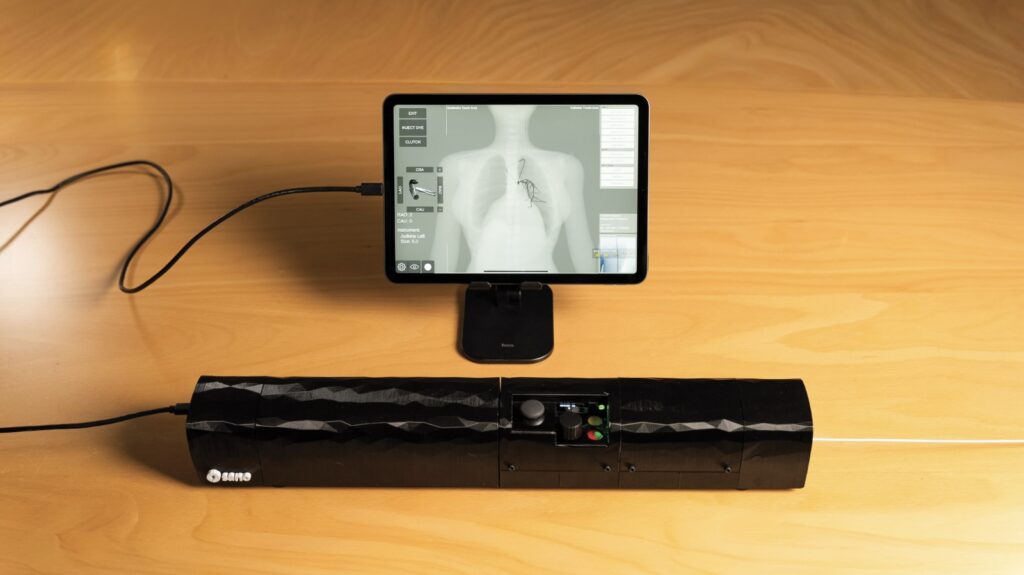
Bridging computer-based simulation and the real cath lab
The system lets physicians and trainees practice endovascular procedures with authentic instrument interaction across many clinical cases and anatomies, bridging the gap between traditional computer-based simulation and real-world catheterization labs.
PORTABLE
HIGH-FIDELITY
REAL INSTRUMENTS
OBJECTIVE ANALYTICS
The system
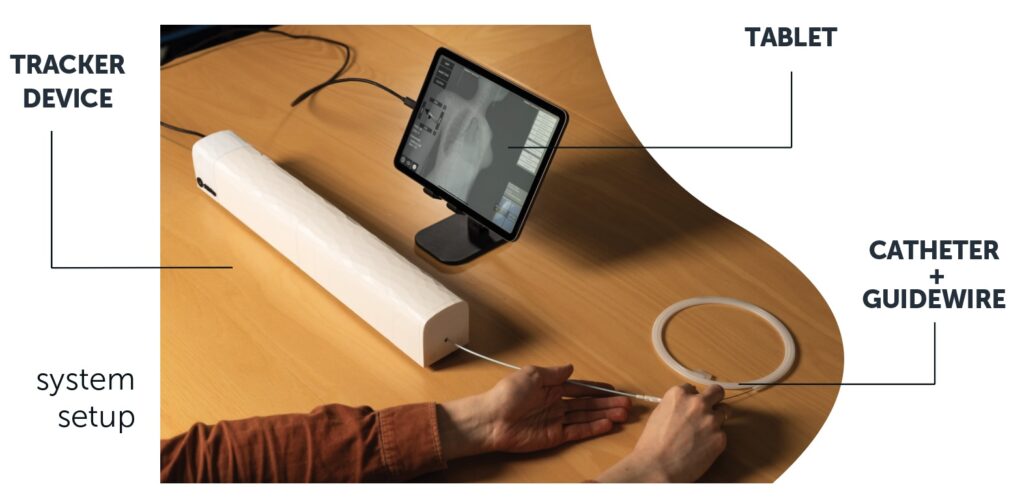
Tracker device. USB-powered station providing accurate real-time tracking of the catheter and the guidewire; includes steering module for C-Arm and injection interaction.
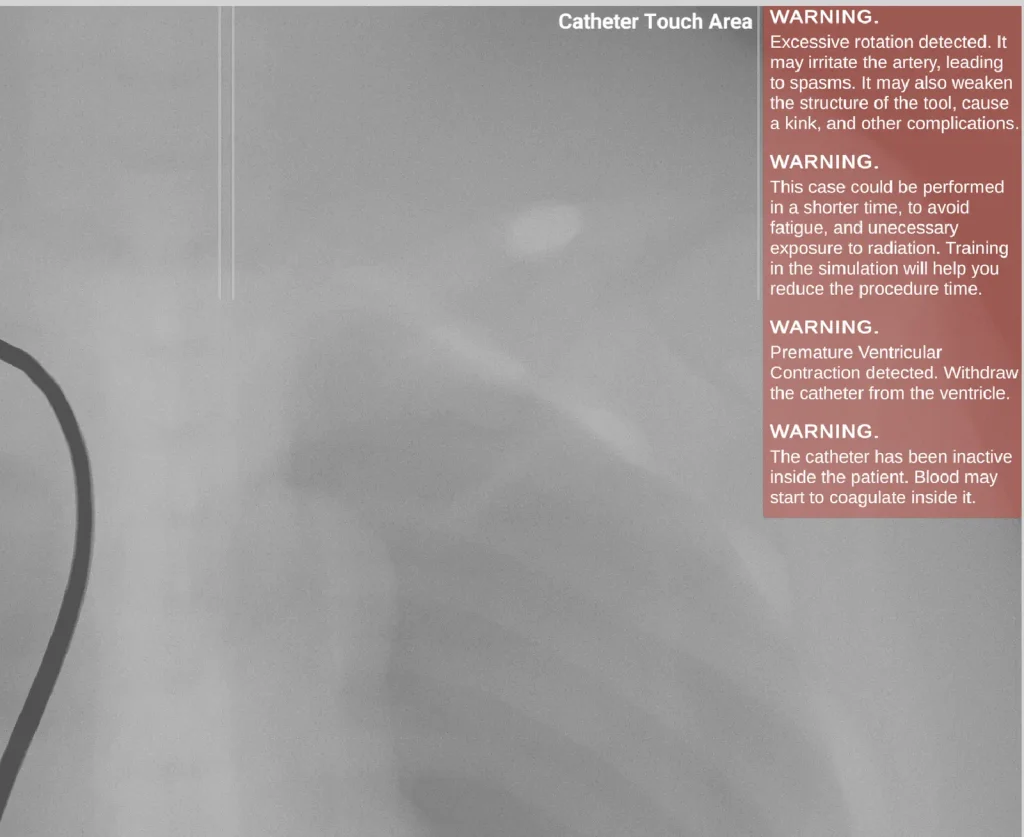
Tablet on a stand. Runs the physical simulation of instruments and the patient’s body and displays the X-Ray view, realistically mimicking the fluoroscope at 60-120 fps.
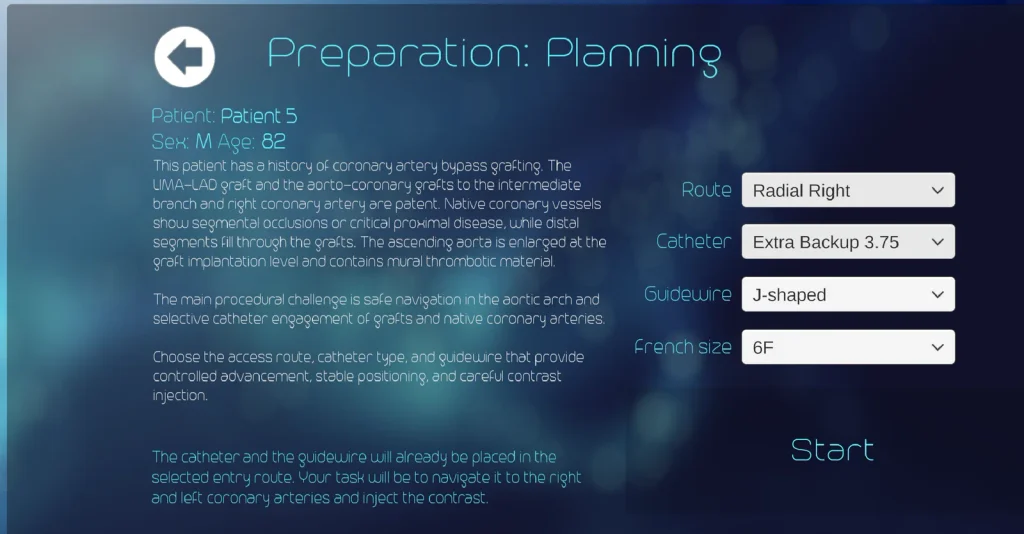
Real catheter & guidewire. Genuine instruments build the true hand-eye coordination and procedural flow. Simulating 12 different catheter shapes, various bend sizes and diameters (F).
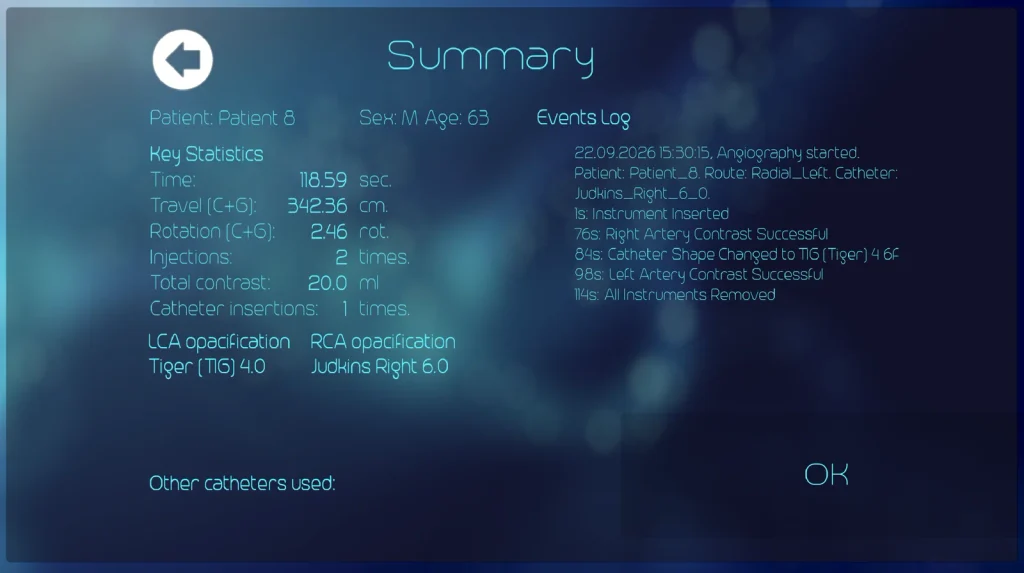
Performance-analytics dashboard. Objective feedback on safety, precision, and efficiency. Detecting more than dozen various operator mistakes.
Realism that matters
Physics-based modelling
Accurate vessel–instrument interaction engine.
Real patient anatomies
A broad spectrum of navigational challenges, including rare cases.
Adaptive haptics
Tactile feedback mimics friction and vessel-contraction events, adjusted to the case.
Rigorous procedure logic
Helps trainees understand the process and avoid typical mistakes.
Core skill development
Instrument navigation, contrast injection, and fluoroscopic image interpretation.
Objective analytics
Built-in comprehensive report on safety, precision, and efficiency for every run.
Structured training syllabus
INTRODUCTION
↓
MANUALS
↓
BASIC MODULES
SELF-PACING
- CLEAR OBJECTIVES
- WELL-DEFINED INDICATORS
- GRADUAL DIFFICULTY
ADVANCED MODULE
- CHALLENGING CASES
- UNEXPECTED COMPLICATIONS
- TIMING
Progressive learning
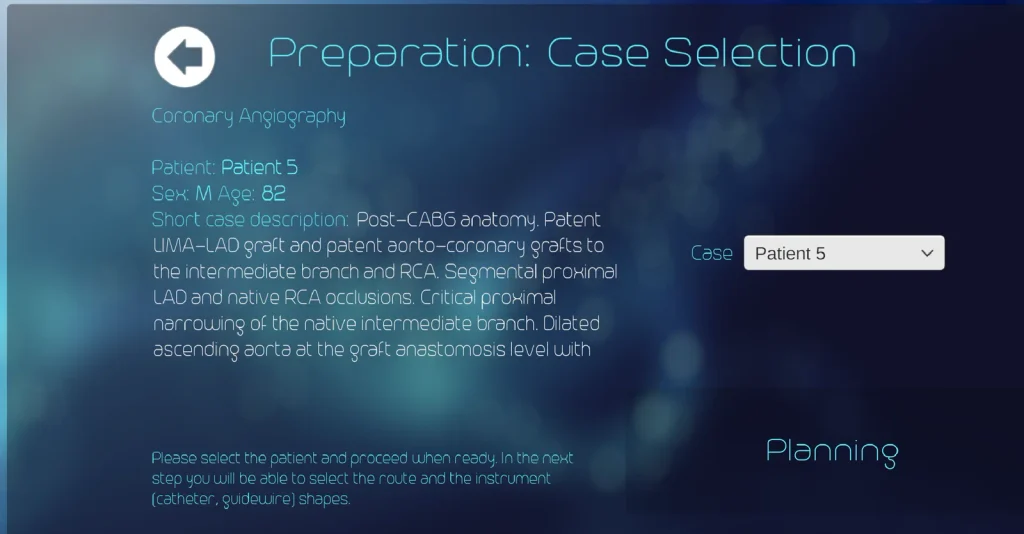
Modular scenarios curated by experienced physicians, structured by increasing complexity and challenge level.
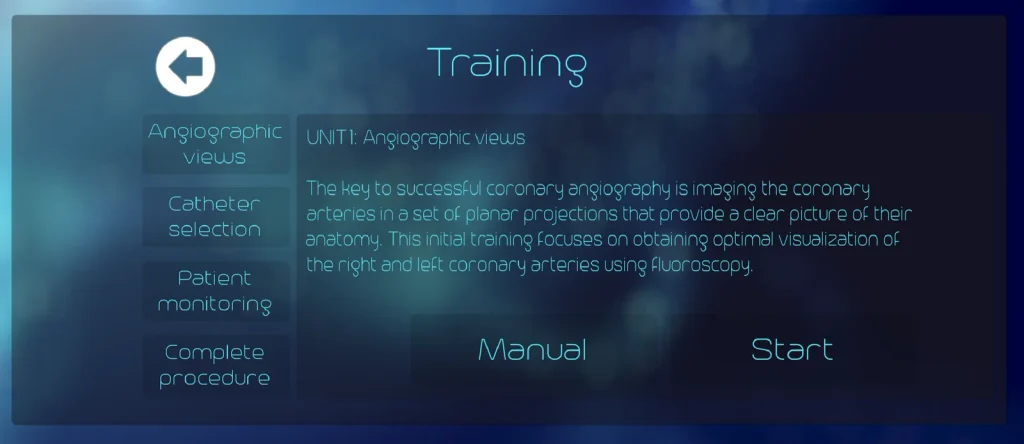
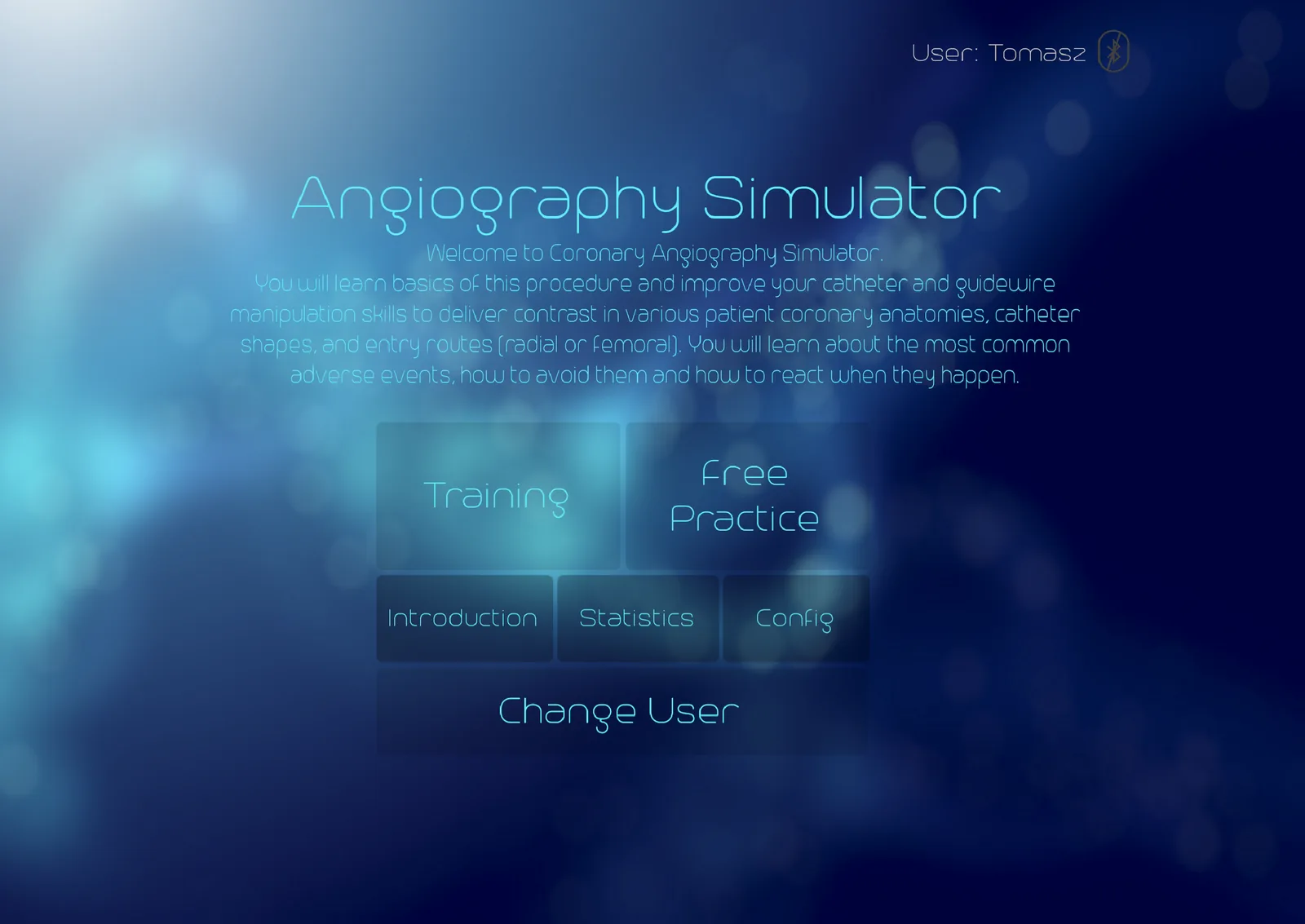
Basics of angiography
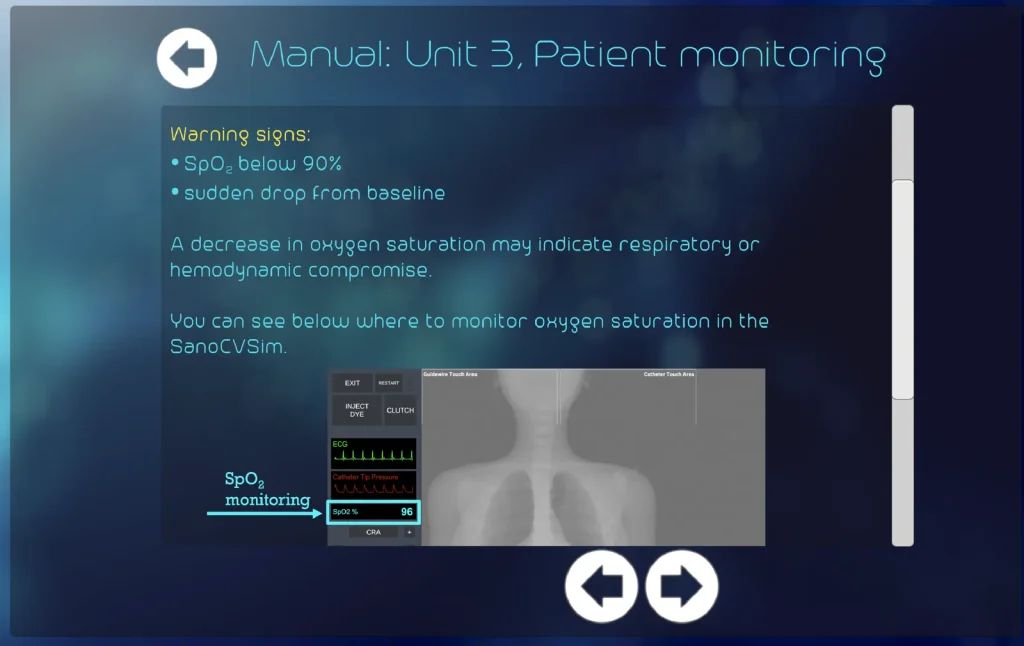
- Manuals provided for each level
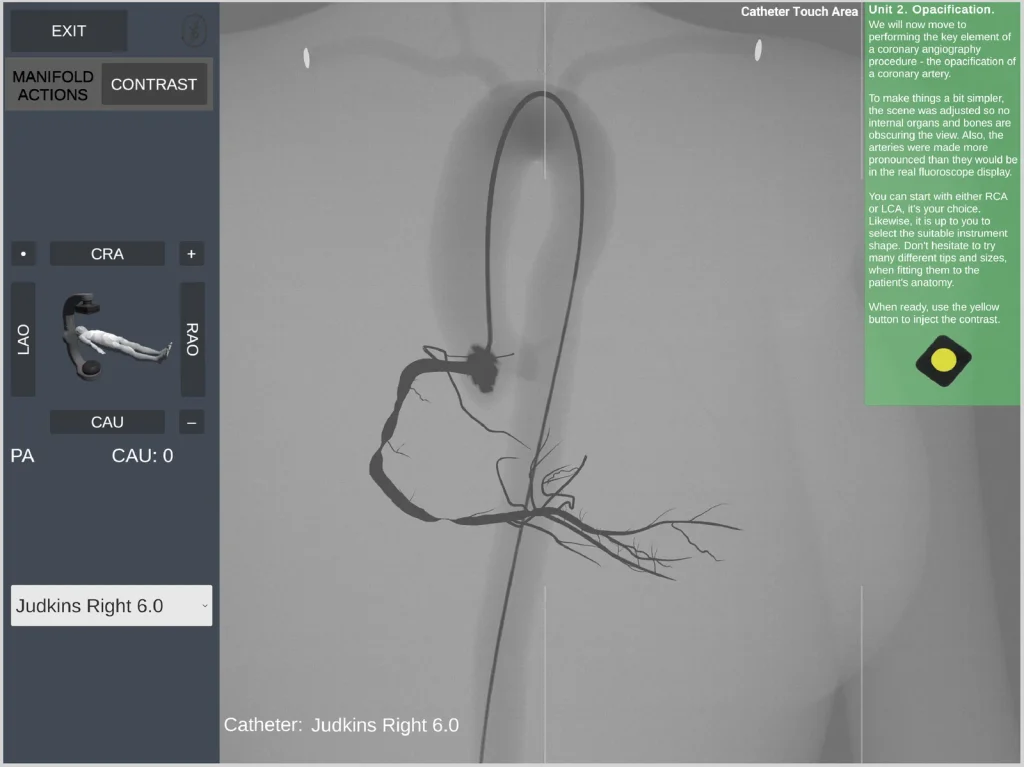
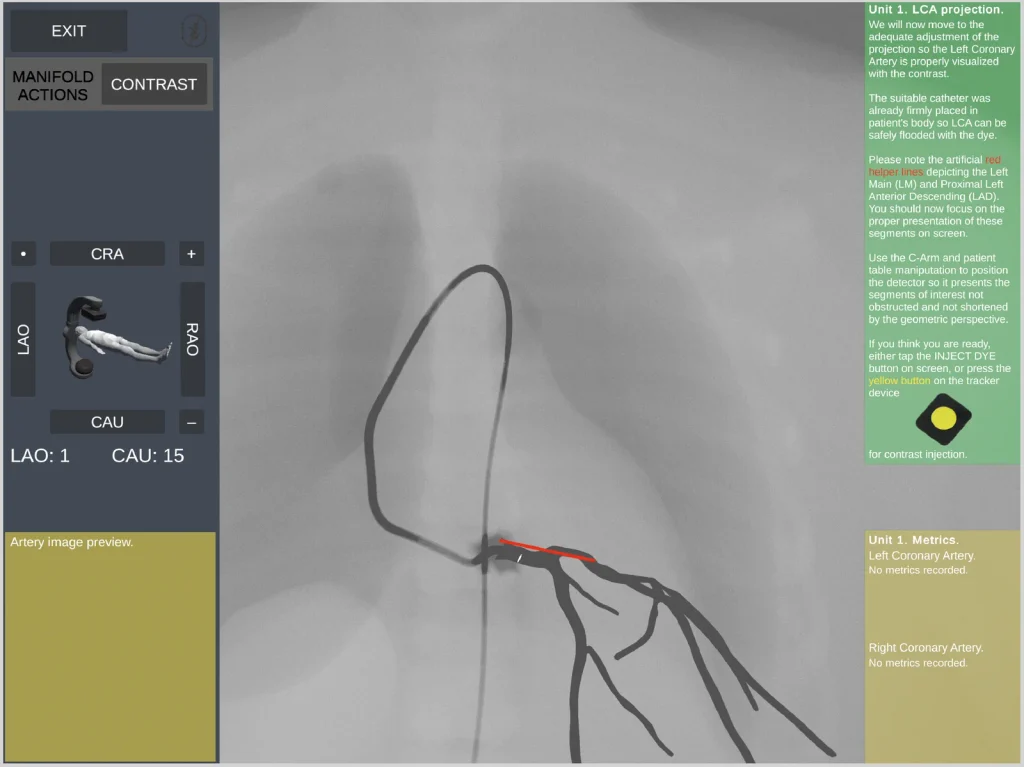
- Fluoroscopy angles and isocenter
- Foreshortening and vessel overlap
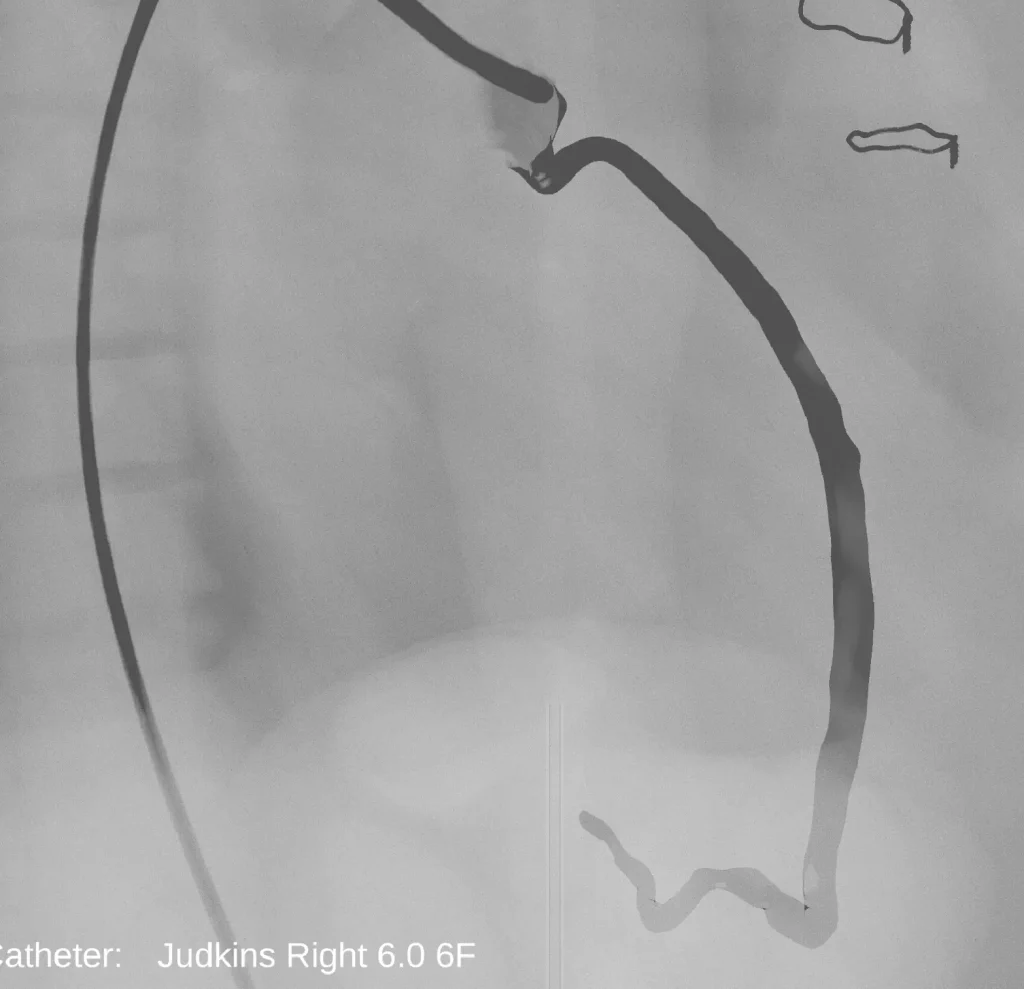
- Catheter shapes, bend and French sizes
- Accessing the LCA/RCA ostium, firm engagement
- Patient vitals and catheter tip pressure monitoring
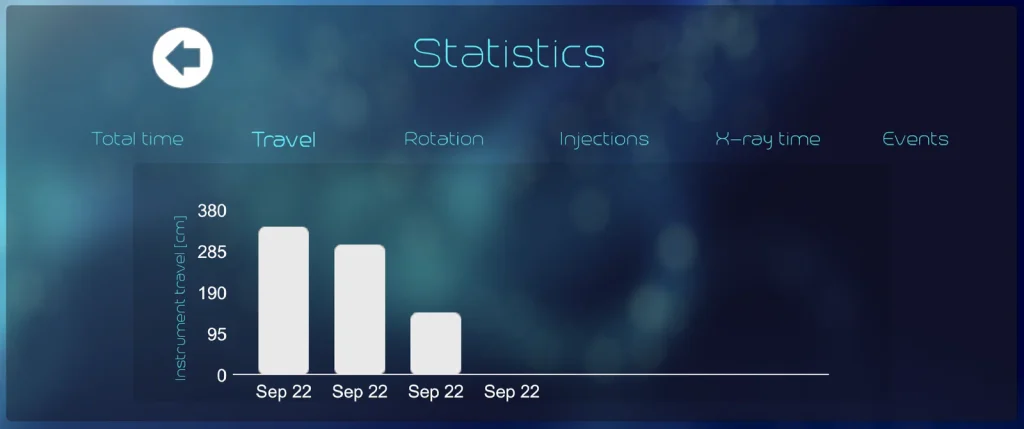
Navigation and errors
- Objective metrics-driven progress
- Hand-eye coordination training
- Adherence to procedural steps
- Avoidance of errors and optimization of manipulations
- Recording and process logs
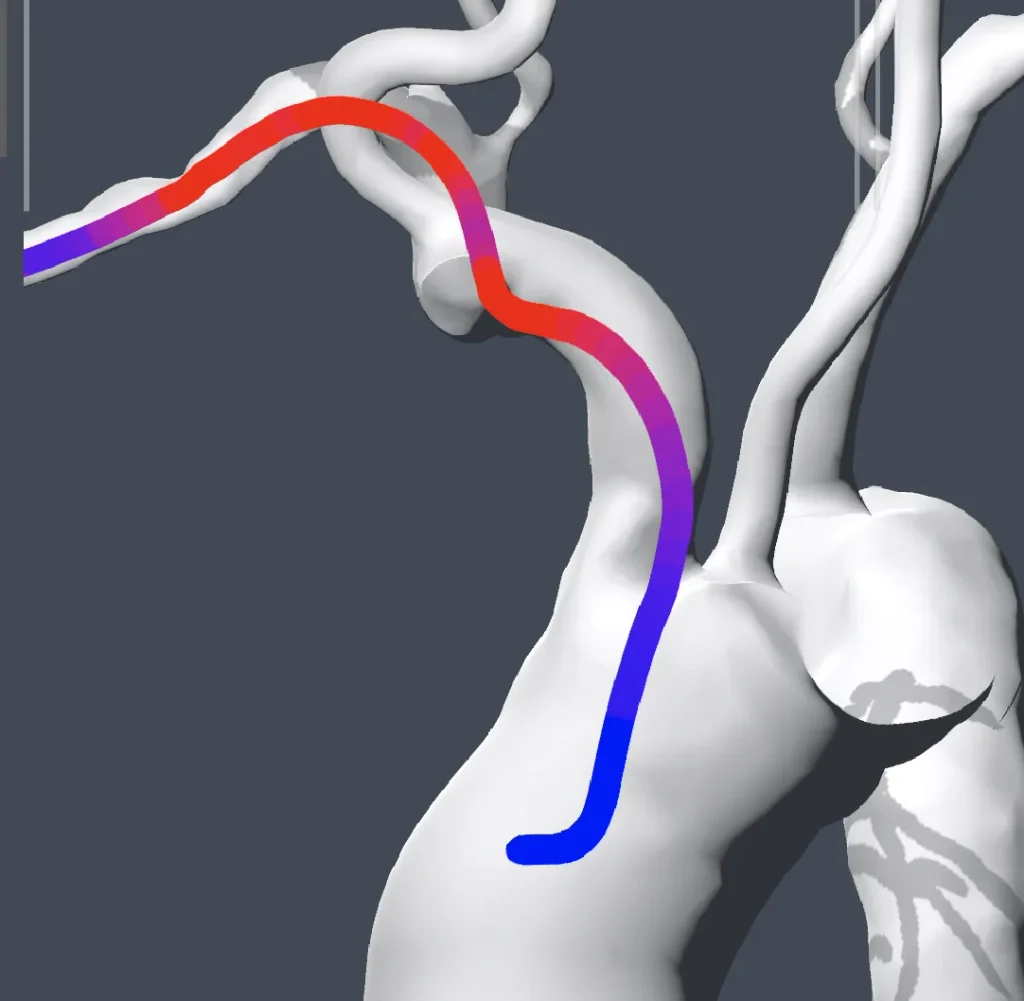
- Three access routes for various anatomies
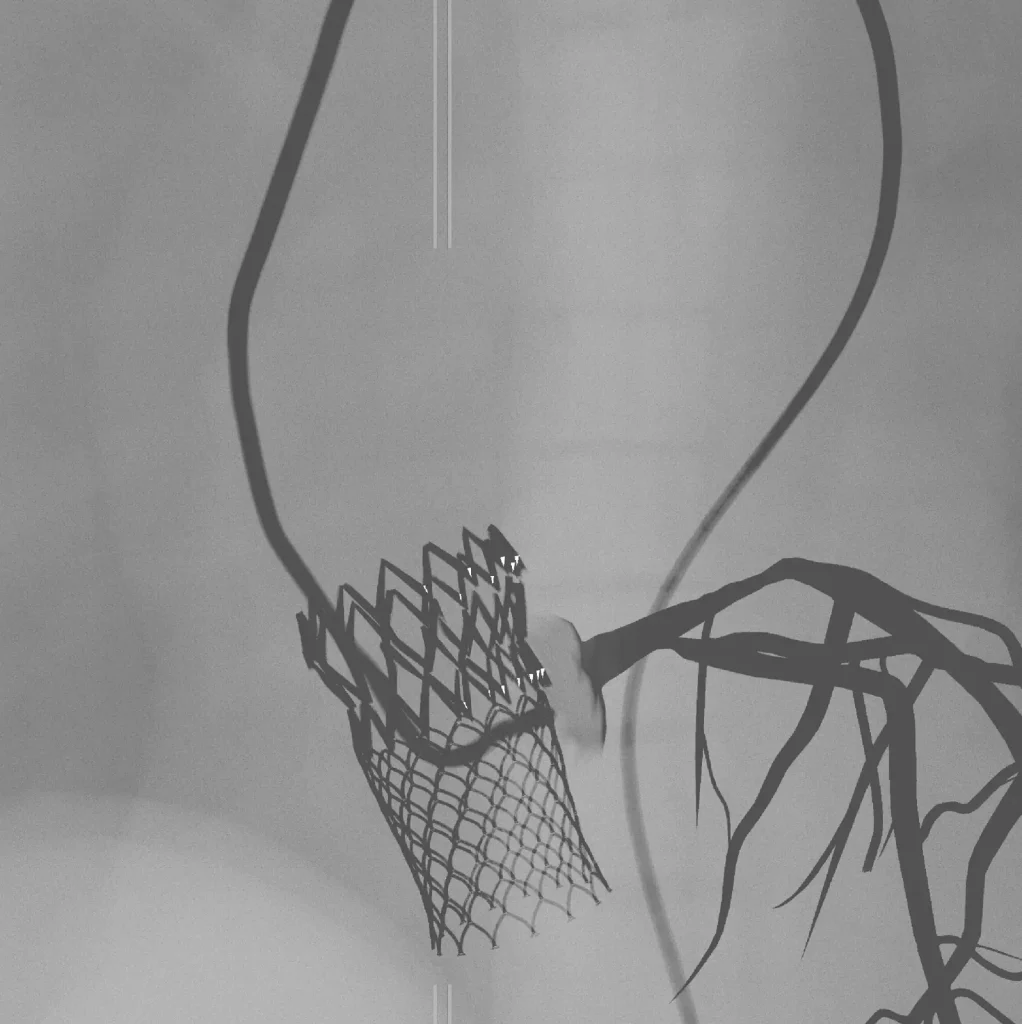
Complex challenges
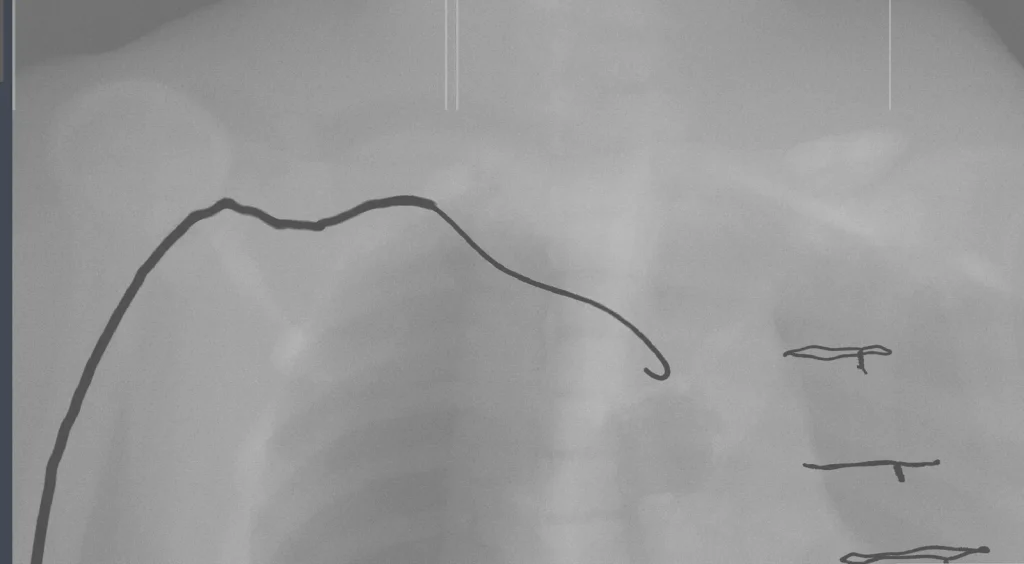
- Challenging anatomies with severe tortuosity
- Complications (e.g. SCA, arterial spasm, vasovagal reflex)
- Time-critical decision points
- Cannulation through a TAVI stent
- CABG patient with three grafts
- High heart rates and high respiratory excursion
Designed for education at scale
Hospitals
Skills labs & CME
Universities
Structured curricula
Training centers
Cohorts & bootcamps
Clinical workshops
Outreach demos
Its portable setup enables easy deployment across classrooms, simulation labs, and partner sites supporting self-paced practice, instructor-led sessions, and full structured curricula.
Multidisciplinary team
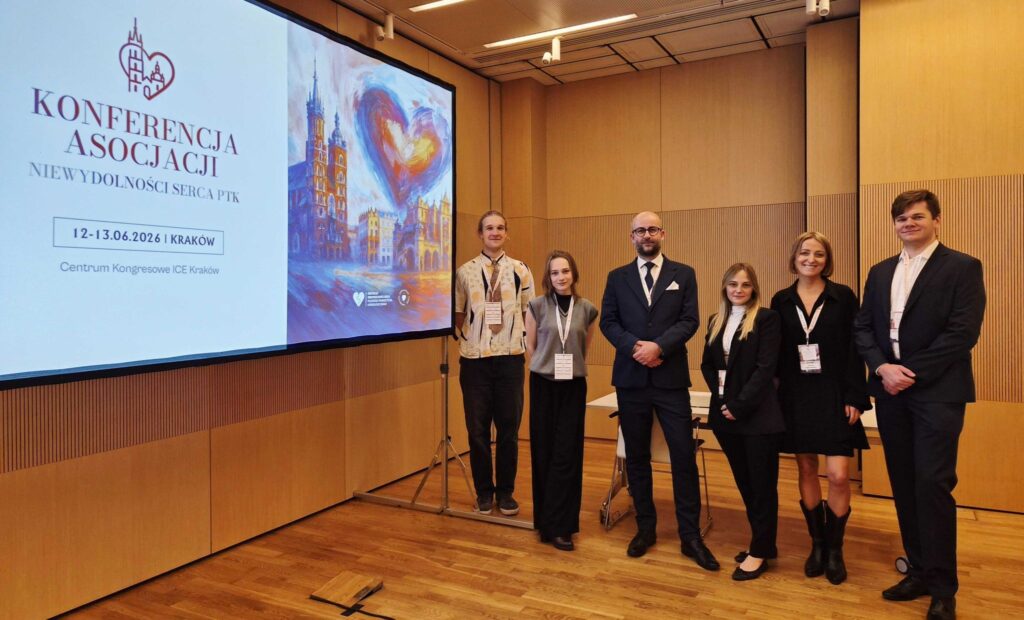
One multidisciplinary team behind the simulator
Tested in Education. Showcased Internationally.
Educational Testing | 115 Medical Students
Preliminary testing involving 115 medical students as part of the Digital Medicine course at Jagiellonian University Medical College.
Clinical Engagement
Presented to healthcare professionals and specialist audiences at:
- Sheffield Teaching Hospitals NHS Foundation Trust – United Kingdom
- New Frontiers in Interventional Cardiology (NFIC), 26th edition – Kraków, Poland
- Polish Cardiac Society Heart Failure Association Conference – Kraków, Poland
- International Summit on Imaging and Intervention in Cardiology (ISIIC) – Katowice, Poland
International Scientific & Industry Exposure
Showcased at international scientific and industry events:
- BIO International Convention – San Diego, USA
- VPH 2026 – 9th International Conference on the Virtual Physiological Human – Milan, Italy

Tomasz Gubała
Research Support Manager
Krzysztof Karwat, MD, Cardiologist, Certified Independent Operator, Association of Cardiovascular Interventions of the Polish Cardiac Society