
The recording of Monday’s Sano Seminar is now available
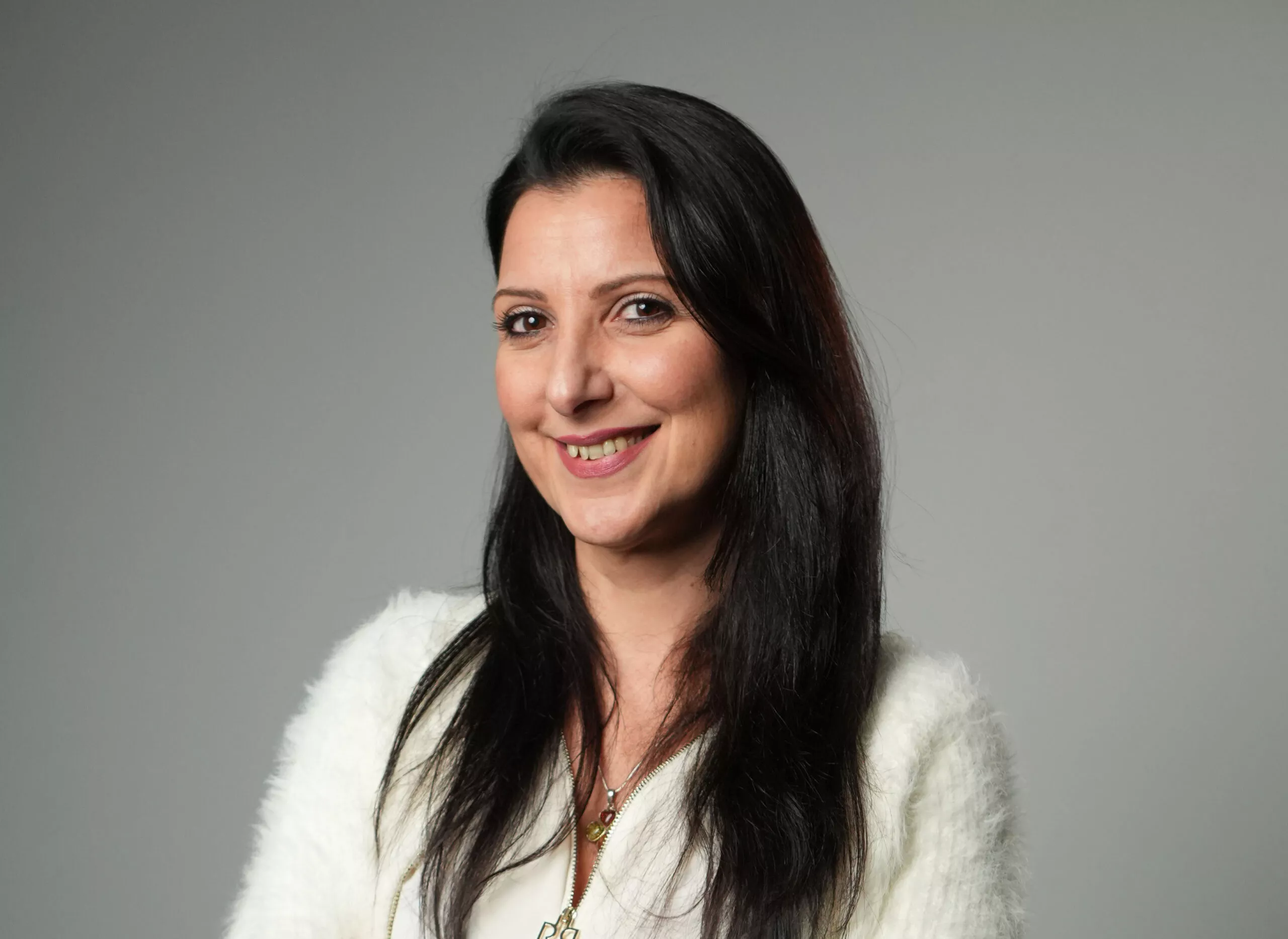
During the seminar, Rosmary Blanco from the Computational Neuroscience Team delivered a talk entitled “Toward Trustworthy AI for Acute Ischemic Stroke Triage with EEG: From Signal Processing to Uncertaint -Aware Decision Support.”
The presentation focused on the development of trustworthy AI systems for early triage of acute ischemic stroke using EEG, with a particular emphasis on pre-hospital settings such as ambulances and on-scene emergency care.
Key takeaways from the talk
- Project goal: to develop a trustworthy AI system for early ischemic stroke triage based on EEG, suitable for use in pre-hospital conditions.
- Clinical data were collected within the ElectroStroke and AI Stroke clinical trials at Amsterdam UMC, using 8-channel EEG with dry electrodes, recorded by paramedics.
- A major challenge was EEG signal quality, affected by motion artifacts, environmental noise, and the lack of a universal processing pipeline for low-density EEG.
- A systematic comparison of EEG artifact removal methods was performed, including ASR, Wavelet Transform, EMD, and hybrid approaches, using simulated, benchmark, and real clinical data.
- Wavelet Transform performed best for general denoising of low-channel EEG, while EMD better preserved pathological patterns such as sharp waves and rhythmic discharges.
- Automatic machine learning (AutoML – AutoPrognosis) was used to classify ischemic stroke vs. stroke mimics, enabling fair and reproducible comparisons between processing pipelines.
- Although standard performance metrics (accuracy, AUC) were similar across methods, clinical error analysis revealed meaningful differences from a patient’s safety perspective.
- In pre-hospital triage, sensitivity is critical; a hybrid EMD + Wavelet approach minimized the number of missed strokes.
- The system incorporated uncertainty quantification (both aleatoric and epistemic) and a rejection mechanism to refer uncertain cases to a physician.
- A cascaded model architecture was proposed to mirror clinical reasoning:
Is this a stroke? → Is it an LVO? → Is the stroke still treatable?, while accounting for the temporal dynamics of EEG.
Watch the full seminar recording on YouTube:
We encourage everyone interested in AI for healthcare, neurotechnology, and clinical decision support to watch the talk.
More about Rosmary Blanco