

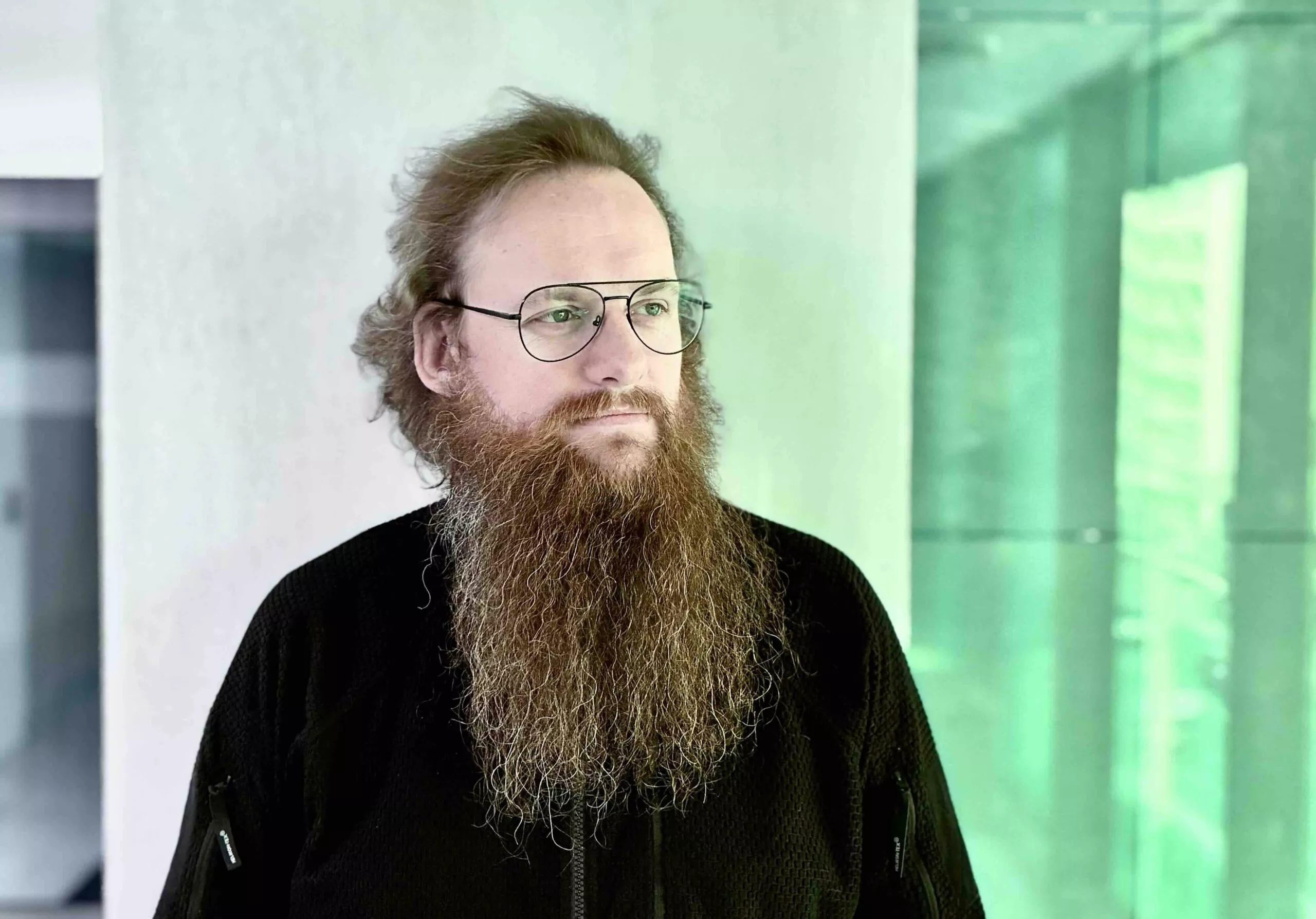
Jan K. Argasiński in Onet Wiadomości: how AI can stay ahead of disease
A Sano scientist on the medicine of the future
Dr Jan K. Argasiński, leader of the Computational Neuroscience team at Sano, has given an interview to the news portal Onet Wiadomości as part of the “AI. Code of Longevity” editorial series. In his conversation with journalist Piotr Gruszka, he explains how artificial intelligence is reshaping the way we think about health – from continuous monitoring of the body, through decision support in diagnostics, to tough ethical questions about the limits of intervening in human life.
“What sounded like science fiction not long ago is becoming part of the everyday practice of computational medicine and AI systems supporting doctors.”
The interview is an excellent popular‑science showcase of what we do at Sano every day, illustrating that computational medicine is not a distant futuristic concept but a research and clinical reality that is emerging right now.
A smartwatch that can warn of a stroke
One of the main themes of the conversation is a vision of medicine that can act before a crisis occurs. Jan describes wearable systems – smartwatches, headbands and other sensors – that continuously analyse vital signs and user behaviour in the background.
“The real breakthrough is not in treating the consequences of disease, but in the fact that, thanks to data and algorithms, we can predict and prevent them.”
Based on these data, algorithms can detect subtle signals of an impending threat, such as an increased risk of stroke, and send an alert advising the user to seek urgent medical attention. This is a vision of healthcare in which the key goal is not only treatment, but intelligent prevention.
AI in the ambulance and on the ward
Jan also talks about the solutions he and his team are working on: lightweight, mobile EEG devices placed on patients already in the ambulance, and systems that analyse brain signals and medical images. This model is intended to enable faster, preliminary assessment of the type of stroke and direct referral of the patient to the right specialist centre, which in practice can translate into better outcomes.
In the hospital setting, artificial intelligence can help organise vast amounts of medical documentation and highlight for clinicians which parts of the data require special attention.
“In medicine, the key point is not only what the system suggests, but also why it does so and how confident it is in its answer.”
Ethics, explainability and trust
The interview does not shy away from difficult issues. Jan and Piotr Gruszka discuss ethical questions: who should have access to predictive information about our future health, whether we really want to “design” the traits of future generations and how to avoid deepening social inequalities.
“From a technological standpoint, we can do more and more, but the real question is: as a society, what will we consider acceptable and ethical?”
Another important theme is the explainability of AI systems – the need to understand why an algorithm made a particular decision. It is precisely at the intersection of advanced computational methods, clinical practice and social responsibility that Sano’s research and development efforts are situated.
Read the interview