
2025: A Year of Scientific Impact and Community Engagement at Sano
Throughout 2025, the Sano Centre for Computational Medicine advanced its mission across research, collaboration, education, and outreach — strengthening our presence in computational medicine and AI-driven healthcare innovation. From organising first Krakow Conference on Computational Medicine and securing grants to fostering interdisciplinary partnerships and empowering the next generation of researchers, the year showcased Sano’s contributions to science, society, and the global research ecosystem.
IIn 2025, Sano launched a new flagship event — Krakow Conference on Computational Medicine, held in October in Krakow. Organised by the Sano Centre for Computational Medicine, in collaboration with Faculty of Computer Science AGH Krakow and Academic Computer Centre Cyfronet AGH the conference marked an important milestone in promoting computational medicine in Poland and internationally.
Under the theme Enhancing Virtual Human Twin with AI Solutions, the event brought together leading researchers, clinicians, and innovators to discuss the role of artificial intelligence in shaping the future of personalised healthcare.
The conference was held under the Honorary Patronage of Marcin Kulasek, Minister of Science and Higher Education of the Republic of Poland, and Aleksander Miszalski, Mayor of the City of Krakow, with Media Patronage from krakow.pl and Tygodnik Powszechny.
Sano joined the consortium developing the Gaia AI Factory — Poland’s second “Artificial Intelligence Factory,” led by CYFRONET AGH in Krakow. The €70 million initiative, co-funded by the EU and Poland, focuses on building trusted AI technologies in medicine, space, and language models. The Gaia AI supercomputer will deliver computational power several times greater than Poland’s current fastest system, Helios. The project will support the full AI lifecycle — from data preparation and model training to deployment — while also offering training, consultations, and digital skills programs. The initiative promotes the responsible use of AI and strengthens Sano’s mission to advance computational medicine for the future.
Sano researchers have co-created AI-powered platform to explore protein structures. The AI-powered Protein Structure Landscape platform, developed by researchers from the Structural and Functional Genomics team at Sano in collaboration with international partners, offers an interactive way to explore nearly one billion predicted protein structures. By integrating data from AlphaFold, ESMAtlas, and the Microbiome Immunity Project, it provides a unified, visual map of the protein world — freely accessible to scientists worldwide.
This open-access resource supports research in drug discovery, structural biology, and computational medicine, marking a major step toward understanding life at the molecular level. “We believe our platform will contribute to the development of better diagnostic and therapeutic methods, while also helping us understand molecular life at the structural level,” says Dr. Paweł Szczerbiak, researcher at Sano.
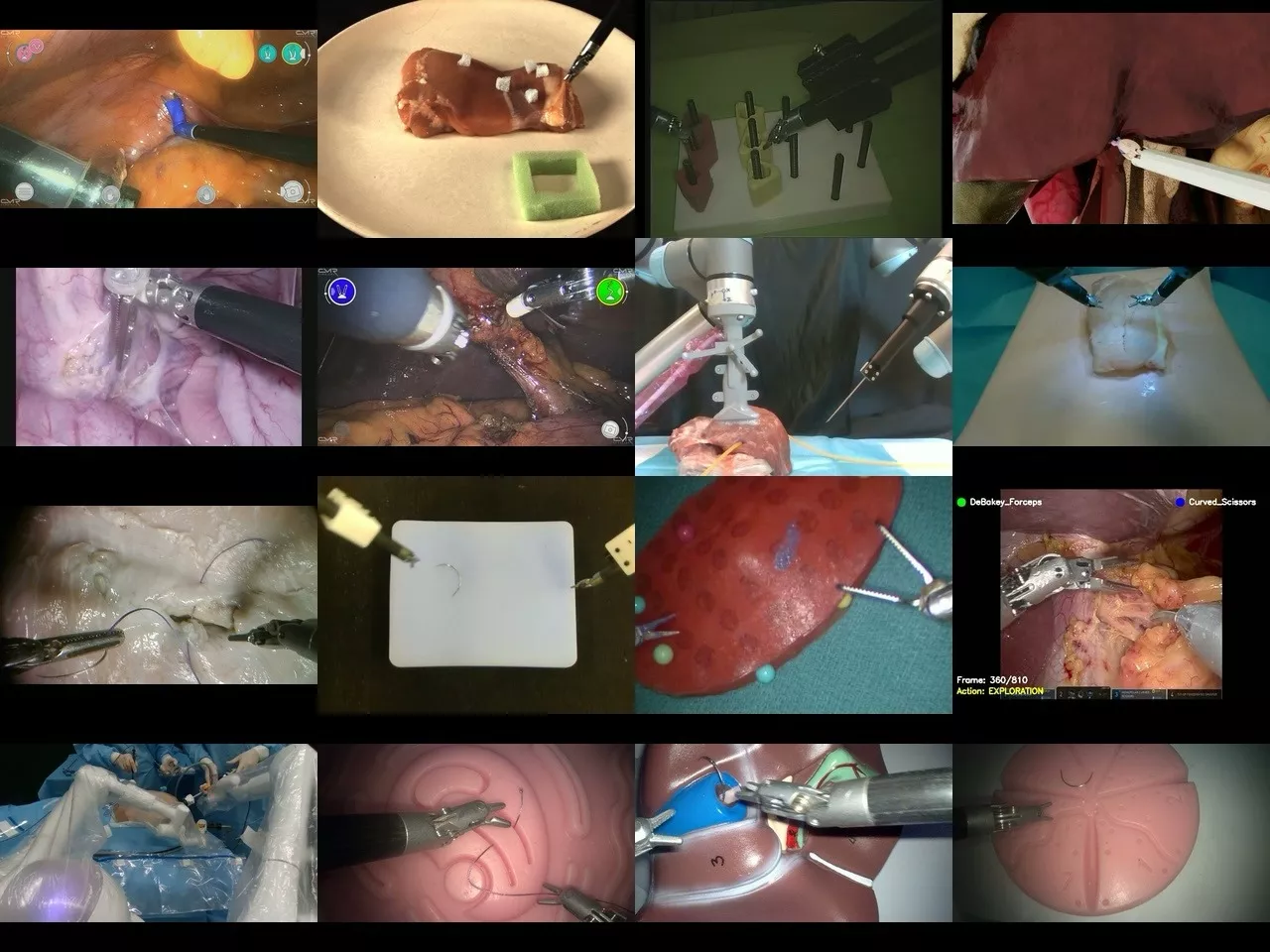
The innovative solutions developed at Sano are gaining international recognition. During the Surgical AI Days (UnVeil Surgical), Sean Huver from NVIDIA presented SimuScope — a technology created at Sano — as an example of a groundbreaking tool that enhances surgical precision and safety, showcasing the global impact of our research in AI-driven medical innovation.
Marek Wodziński from Sano was among the laureates of the Polityka Science Awards 2025, winning in the category of technical sciences. His research on AI algorithms for medical imaging contributes to the development of advanced diagnostic methods and the integration of technology into clinical practice. Through an interdisciplinary approach, Dr. Wodziński designs solutions that bring us closer to more precise, accessible, and patient-centred medicine of the future.
For another year, we were proud partners of the Innovative Children’s Hospitals Gala 2025, organized together with the K.I.D.S. Foundation to honor institutions and experts transforming pediatric care through modern technologies and innovation.
The Gala took place in collaboration with Siemens Healthineers (main partner), HTC Poland, and #AniaOdZdrowia, with the Polish HL7 Association serving as the event partner. It was held under the honorary patronage of the Rector of the Warsaw School of Economics and the Institute of Health Management at Łazarski University, supported by media partners Medonet and OnkoRodzice, and expert contributors including NIL IN, the Medical Innovation Institute, EIT Health, the Team for AI and Technological Innovations in Healthcare, DIL, the AI in Health Coalition, the People and Medicine Foundation, and the Invisible Foundation.
Sylwia Bożek and Tomasz Kościołek were elected to join the board of the Polish Bioinformatics Society (PTBI), where they will begin their term in 2026. Their involvement will strengthen the link between computational medicine and bioinformatics, supporting collaboration across research, education, and industry, and contributing to the development of national standards and initiatives in modern data-driven biology.
On August 21, 2025, Sano received the HR Excellence in Research award from the European Commission, recognizing the centre’s commitment to creating a supportive, transparent, and inclusive research environment in line with the principles of the European Charter for Researchers and the Code of Conduct for the Recruitment of Researchers.
Sano is represented in the International Scientific Committee of the upcoming VPH 2026 Conference, one of the world’s leading events dedicated to computational modelling and simulation in healthcare and life sciences. The 9th International Conference on the Virtual Physiological Human will take place on 1–4 September 2026 in Milan, Italy, under the main theme “Towards the Adoption of Digital Twins in Healthcare.” This involvement reflects Sano’s active role in the global research community and its ongoing commitment to advancing and shaping the future of computational medicine.
In 2025, Sano launched the Sano Scholarship for Empowering Women in STEM, a dedicated grant program supporting female students and early‑career researchers interested in computational medicine, data science, bioinformatics, and related fields. The initiative offers flexible, mentored research opportunities in Krakow or in a hybrid model, strengthening both gender equality and the development of the next generation of experts in computational medicine.
As part of our mission to make computational medicine more accessible, Sano continues to create and share educational and science communication materials. Through videos, interviews, and expert discussions, we aim to bridge the gap between research and public understanding — fostering dialogue about how technology shapes the future of healthcare.
In one such discussion, hosted by the Sano Centre for Computational Medicine, Kasia Nicholson and Dominik Czaplicki joined Navid Asgari from the Global Healthcare Innovation Management Center at Fordham University to explore how AI is transforming medicine — from data‑driven diagnostics to patient‑centred care — and how these same technologies are reshaping business strategy and innovation management. The conversation goes beyond buzzwords, delving into real‑world challenges, ethical questions, and the balance between progress and responsibility.
Watch the full discussion to discover how the future of AI‑driven healthcare innovation is being shaped today:
Sano actively shares knowledge through open-access resources, makingresearch freely available to scientists, professionals, and the wider public.
Our Sano Seminars series delivered specialized lectures — accessible online on the Sano Science YouTube channel and in-person for those seeking direct engagement with our experts.
Sano also engages community through internal lectures and guest seminars, including the Sano x Cluster Breakfast on “How Digital Twins are changing clinical decision‑making” and a visit by Professor Alberto Cacciola for collaborative discussions on computational medicine.
- PR-ENDO: Physically Based Relightable Gaussian Splatting for Endoscopy – Authors: Joanna Kaleta, Weronika Smolak-Dyżewska, Dawid Malarz, Diego Dall’Alba, Przemysław Korzeniowski, Przemysław Spurek
- Shape vs flow: a 2D statistical shape analysis of the projection of common iliac veins in patients with deep vein thrombosis – Authors: Magdalena Otta, Karol Zając, Maciej Malawski, Ian Halliday, Chung Lim, Janice Tsui, Andrew Narracott
- Validation of Various Normalization Methods for Brain Tumor Segmentation: Can Federated Learning Overcome This Heterogeneity? – Authors: Jan Fiszer, Dominika Ciupek, Maciej Malawski
- Synthetic deformylated α-helical PSMα3 as a selective inhibitor of human amyloid aggregation – Authors: A leksandra Kalitnik, Alicja W. Wojciechowska, Jakub W. Wojciechowski, Oliwia Polańska, Przemysław Sareło, Monika Szefczyk, Małgorzata Kotulska
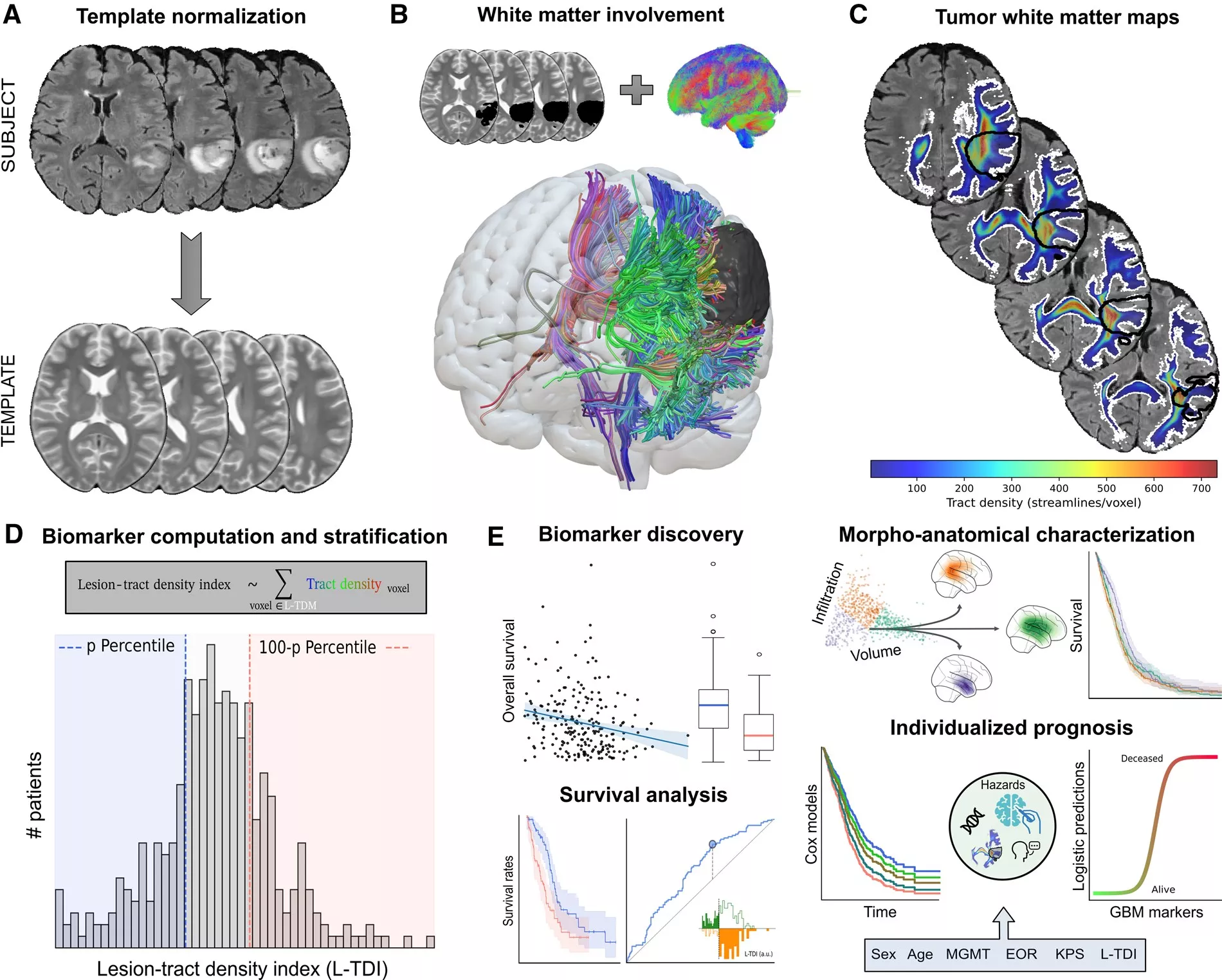
- A non-local diffusion magnetic resonance imaging tract density biomarker to stratify, predict, and interpret survival rates in human glioblastoma – Authors: Joan Falcó-Roget, Gianpaolo Antonio Basile, Anna Janus, Sara Lillo, Letterio Salvatore Politi, Jan K Argasinski, Alberto Cacciola
- Effects of data transformation and model selection on feature importance in microbiome classification data – Authors: Zuzanna Karwowska, Oliver Aasmets, Estonian Biobank research team, Tomasz Kosciolek, Elin Org
- SimuScope: Realistic Endoscopic Synthetic Dataset Generation through Surgical Simulation and Diffusion Models – Authors: Sabina Martyniak, Joanna Kaleta, Diego Dall’Alba, Michał Naskręt, Szymon Płotka, Przemysław Korzeniowski
- Explainable AI for Allergy Diagnosis: A CACTUS Framework to Address Doctor Variability – Authors: Luca Gherardini, Paulina Tworek, Maja Szczypka, Yousef Khan, Marek Mikołajczyk, Roman Lewandowski, Jose Sousa
- Machine Learning-Based Decision Support for Allergy Diagnosis: Real-World Implementation in a Hospital Setting – Authors: Paulina Tworek, Maja Szczypja, Julia Kahan, Marek Mikołajczyk, Roman Lewandowski, Jose Sousa
Sano also continued its popular Neuropizza series for another year — informal meetings where researchers share cutting-edge findings in neuroscience over pizza. The 2025 programme featured presentations such as:
- “Human-AI Decision-Making in Brain Tumor Segmentation for Radiotherapy Planning” by Agata Mośińska, PhD, CogNes JU
- “Towards a framework for connectomics-guided neuro-oncology” by Joan Falco Roget, PhD student in Computational Neuroscience
- “EEG markers of auditory perception and their relation to consciousness” by Dr. Renate Rutiku, Institute of Psychology, Jagiellonian University
- “Investigating the fine-scale functional hierarchy in blindness with connective field modeling” by Mikołaj Turczyniak and Antonia Franaszek-Traczewska
- “Myelination of the early visual cortex depends on sensory experience during development” by Lena Stroh, PhD, Institute of Psychology
- “Effect of Blindness on Macroscale Brain Organization” by Cemal Koba, PostDoc in Computational Neuroscience
These sessions fostered lively discussions and knowledge exchange within the computational neuroscience community.
In 2025, Sano researchers strengthened the centre’s scientific potential by securing new national and international grants. These projects support the development of innovative solutions in digital health, while fostering collaboration across disciplines and institutions. Below are some of the key initiatives that received funding last year.

NCN SONATA grants for medical research:
- Cemal Koba “Linking Eye Movements and Brain Function to Monitor Stroke-induced Alterations with fMRI”
- Sano’s project mentor: Tomasz Kościółek “One step to game changer”: combined antimicrobial therapy based on AI and nanotechnology to combat challenging diabetes foot infections.
Preludium 2024/53/N/NZ4/03513
- Joan Falco Roget, “Diffusion magnetic resonance imaging for accurate white matter tracking in peritumoral tissue to enhance surgical planning, precision, and prediction in neuro-oncology “

“The PRIME project – science commercialization support, is implemented by the Foundation for Polish Science (FNP) and co-financed by the European Union under the European Funds for Smart Economy 2021-2027 (FENG) “
PRIME grant (Magdalena Otta, Katarzyna Baliga-Nicholson, and Dominik Czaplicki – innovative project: Digital twin of blood flow: computational fluid dynamics (CFD) in personalised treatment – application in optimising therapy for deep vein thrombosis (DVT)”.

Grants for Eurogrants
We are implementing the project Alliance for an Ultra-High Fidelity Extended Reality CARDIAC Surgery Simulator & Skills Cooperation under Action 2.12 of the FENG Programme – Grants for Eurogrants.
Ministry Funding: Grants for Grants
- NeoSolution “European Centre of Excellence in the Longitudinal Approach to Prognosis, Treatment, and Rehabilitation of Non-Traumatic Brain Disorders (Work Package WP2),”
InSilicoHealth
InSilicoHealth is a European doctoral training programme that integrates Virtual Human Twin research, interdisciplinary education, and industry collaboration to advance healthy ageing and responsible innovation in digital health.
Throughout the year, Sano’s young researchers were recognized for their contributions to science, receiving awards and distinctions at national and international events — and we warmly congratulate them on their achievements and dedication.
Taras Zhyhulin (Junior Scientific Programmer in Scientific Programmers) has received a distinction in the 5th National Competition of the Polish Information Processing Society (PTI) for his engineering diploma thesis titled Integration of High-Performance Computing Simulation Platform with Data Sharing Repositories.
Monika Pytlarz, PhD in the Computational Neuroscience team, received the Best Oral Presentation Award at the 6th Central European Biomedical Congress. Her study, “Interpretable Machine Learning with SHAP for Glioma Grading Using HLA‑DR–Stained Histology and Multi‑Feature Analysis,” was first selected for the Young Investigator Session and later recognized for its innovative use of explainable AI in medical diagnostics.
In 2025, Sano actively represented the Polish research ecosystem at leading scientific and industry events worldwide. Sano researchers represented the centre at leading scientific conferences worldwide, presenting cutting-edge work in computational medicine, AI, and medical imaging.
Among the highlights were our participation in the BIO International Convention and Nordic Life Science Days (NLSDays), attended at the invitation of the Polish Investment and Trade Agency (PAIH) Foreign Trade Office in Stockholm. Dominik Stosik, Clinical Advisor for AI & Digital Health Solutions at Sano, represented the centre at the World Health Expo in Dubai, engaging with global leaders in healthcare and technology.
Sano researchers participated in major international events throughout 2025, showcasing the breadth and global relevance of the Centre’s research. Highlights included ICCS 2025 in Singapore, IEEE ICPRS‑25 and the International Conference on Intelligent Robots and Systems (IROS) in Chile, MICCAI 2025 in Daejeon, ACDSA 2025 in Antalya, and Kube Con + Cloud Native Con Europ 2025. They also contributed to the inaugural EBRAINS Summit, held under the theme “Transforming Brain Research and Medicine”, and took part in the RSNA 2025 Annual Meeting in Chicago. Additionally, Sano co‑organized the Brain Plasticity in Blindness Symposium during IOP 2025, strengthening its engagement in interdisciplinary research linking neuroscience and computational medicine.
In Poland, Sano continued to contribute to prominent science and innovation events such as the 12th Central European Life Sciences Conference (LSBC), Life Science Open Space, LifeScience4EU, and AI in Medicine: Insights from the Day o Business and Science at ICAISC 2025. Michał Kosobudzki also took part in the Economic Forum in Karpacz in the panel “AI Made in Poland.”
For another consecutive year, Sano served as a partner of the prestigious Copernicus Festival 2025 — one of Poland’s most renowned and internationally recognized events dedicated to science and public engagement. The festival bridges science, philosophy, and culture, attracting distinguished speakers and thinkers from around the world and inspiring dialogue between researchers and the public.
In 2025, Sano continued to engage in interdisciplinary initiatives that brought together the worlds of science, technology, and art, acting as a partner in events that explored creativity through the lens of research and innovation.
Among the interdisciplinary events connecting science and art, Sano took part in the Informatics in Art and Humanities Conference in Krakow, which explored the digital future of culture and the role of technology in artistic creation. We also contributed to the “Journey Within / Wędrówka wewnętrzna” exhibition and workshop, which presented art as a potential research methodology. During the SILENCE Music Festival concerts in Balice, Sano further combined science and art through experiments led by Jan K. Argasiński, Research Team Leader of the Computational Neuroscience group, and Anna Partyka. Using EEG visualizations and microbiological sampling, the project examined the relationship between musical performance and human physiology, reflecting Sano’s mission to connect science, art, and society through shared creative and scientific experiences.
Throughout the year, Sano experts also took part in other prominent scientific and technology-focused events, presenting our work on digital health, AI-driven modelling, and the concept of the Virtual Human Twin.
Sano, together with ENSEMBLE3, presented their achievements and future plans at the Ministry of Science and Higher Education, showcasing progress within the International Research Agendas programme and discussing new directions for scientific collaboration.
Leaders from ZUS visited Sano’s offices and labs, meeting with research teams to explore advancements in AI and data processing.
Sano further strengthened collaboration with its partners through a series of meetings and joint initiatives. We hosted project meetings for GEMINI, NEARDATA, and Wave, and participated in the inaugural meeting of the InSilicoHealth Project. Our team also visited partners at the Insigneo Institute in Sheffield and the Jülich Supercomputing Centre, deepening international cooperation in computational medicine and research infrastructure.
Throughout the year, Sano researchers showcased simulation tools and organised training sessions for medical professionals, including demonstrations and workshops at the 26th NFIC Workshop, the Royal College of Obstetricians and Gynaecologists (RCOG), and King’s College London – School of Biomedical Engineering & Imaging Sciences, the Hamlyn Symposium o Medica Robotics (HSMR 25), and the Royal College of Surgeons of Edinburgh, as well as during MEDmeetsTECH. Additionally, SimuScope, developed at Sano, was featured at WACV 2025 as an example of AI-driven innovation enhancing surgical precision.
Our experts also contributed to science communication and skills development events, including the Career in Life Science series co‑organised by Klaster LifeScience Kraków, Kraków City Hall, and EIT Health, where they engaged with students and early‑career researchers. Sano also co‑organized the 9th edition of the Małopolska Programuje Festival in 2025, contributing to discussions and workshops promoting AI education and innovation in the region. Within Sano, we hosted the workshop “Data Science and Artificial Intelligence in Microbiome Medicine” and participated in EIT Health I‑Days through interactive session “Children Explore the World of Magnetic Resonance Imaging.”
Hands‑on learning and knowledge exchange were also central to the opening day of the Krakow Conference on Computational Medicine 2025, which featured a series of specialised tutorials:
- BRAIN‑GUT – Brain–Gut Axis and How to Study It,
- CACTUS – Explainable AI for Knowledge Discovery and Classification,
- HPC – Your Journey to High ‑ Performance Computing and Beyond,
- LEGAL – Implementing Intelligence: Legal Challenges in Creating AI Solutions,
- VR – Virtual Reality for Medical Data Visualisation and Interaction,
- and VVUQ – Scaling up Your VVUQ Workflows.
These sessions laid a strong methodological foundation for the community’s discussions in the days that followed.
The Legal & Data Protection team at Sano also contributed internationally, sharing their expertise at the 20th International Conference on Artificial Intelligence and Law (ICAIL 2025) in Chicago. During their workshop, “Implementing Intelligence: Legal Challenges in Creating AI Solutions,” they addressed key topics such as data protection, intellectual property, and regulatory compliance in AI development. Their participation helped bridge the gap between legal and technical communities, promoting responsible and secure innovation in AI‑driven healthcare.
Encouraging interdisciplinary learning and open science, a team from Sano, led by Cemal Koba from the Computational Neuroscience group, joined Brainhack Warsaw 2025 — a hackathon connecting young researchers working on neuroscience, AI, and data analysis. Their project, “Segmentation of the Orbit and Ey Movement Detection Using fMRI,” explored innovative applications of functional MRI in studying brain and eye dynamics, reflecting Sano’s dedication to nurturing earl career talent and advancing computational medicine through collaboration.
Beyond our core research and scientific activities, Sano researchers and teams engaged in diverse initiatives that reflect our commitment to knowledge sharing, social impact, and community building throughout.
The study “Digitalization of the Healthcare System in Poland as part of the National Recovery Plan: Challenges, Opportunities, and Recommendations” has been published. Prepared jointly by the Polish Information Processing Society (PTI) and the Sano Centre for Computational Medicine, the report explores how digital transformation can enhance the effectiveness and accessibility of Poland’s healthcare system. The full publication, available in Polish, can be accessed on the PTI website.
Sano experts could also be heard sharing their insights on Radio Kraków, RMF24, Polskie Radio Dwójka, TVP Kultura, and K MAG. These appearances highlighted our interdisciplinary collaborations, including neuroscience experiments at the SILENCE Music Festival.
The Sano Running Team once again combined sporting passion with social purpose, taking part in the Poland Business Run 2025 — the country’s largest charity business relay supporting rehabilitation and mobility initiatives. The team achieved an impressive 47th place out of 1,271 teams, with Adam Sułek securing 3rd place in the individual OPEN classification.