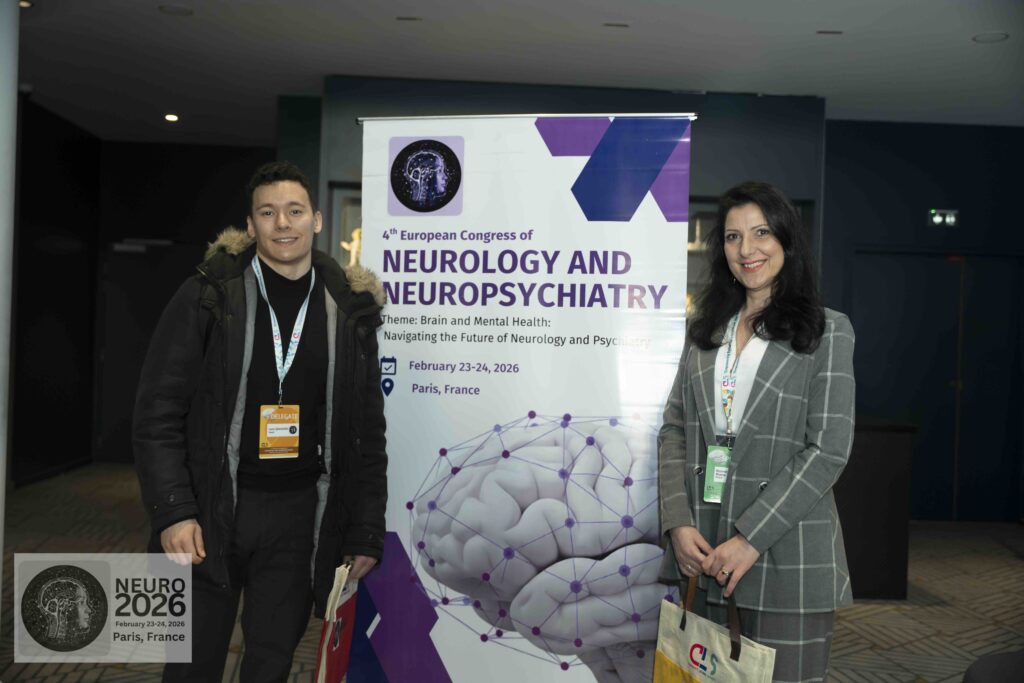

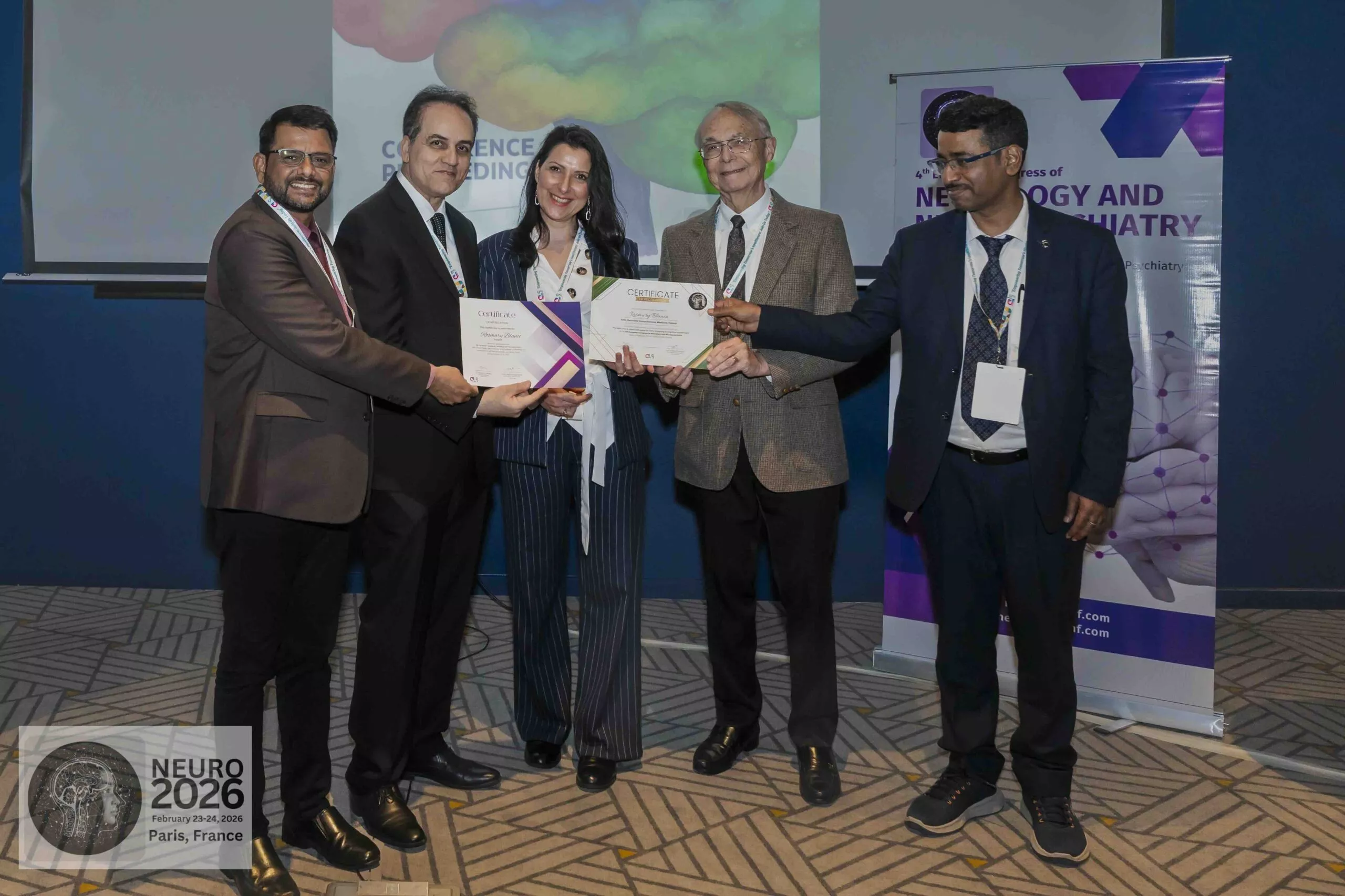
Rosmary at the 4th European Congress of Neurology and Neuropsychiatry
A new approach to early diagnosis of cognitive impairment.
Early detection of cognitive impairment remains one of the most pressing challenges in modern neurology. At the 4th European Congress of Neurology and Neuropsychiatry (NEURO 2026), Rosmary Blanco presented a response to this challenge – the NEED tool (Neuro Early Evaluation of Decline), a novel framework with the potential to transform the early screening of cognitive impairment, significantly supporting the diagnostic pathway for neurodegenerative diseases.
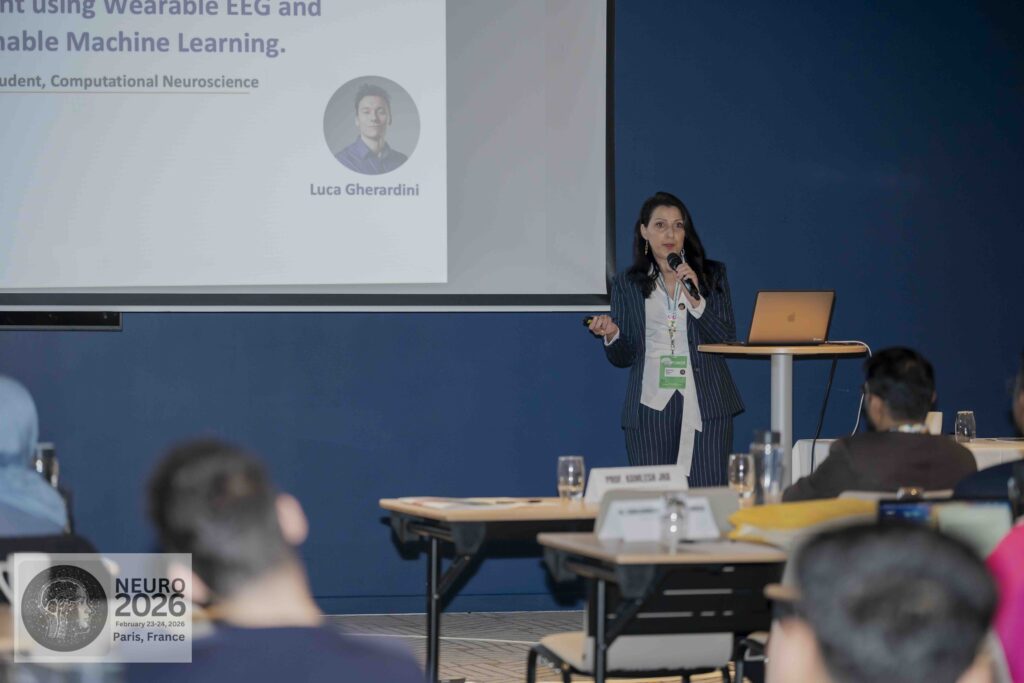
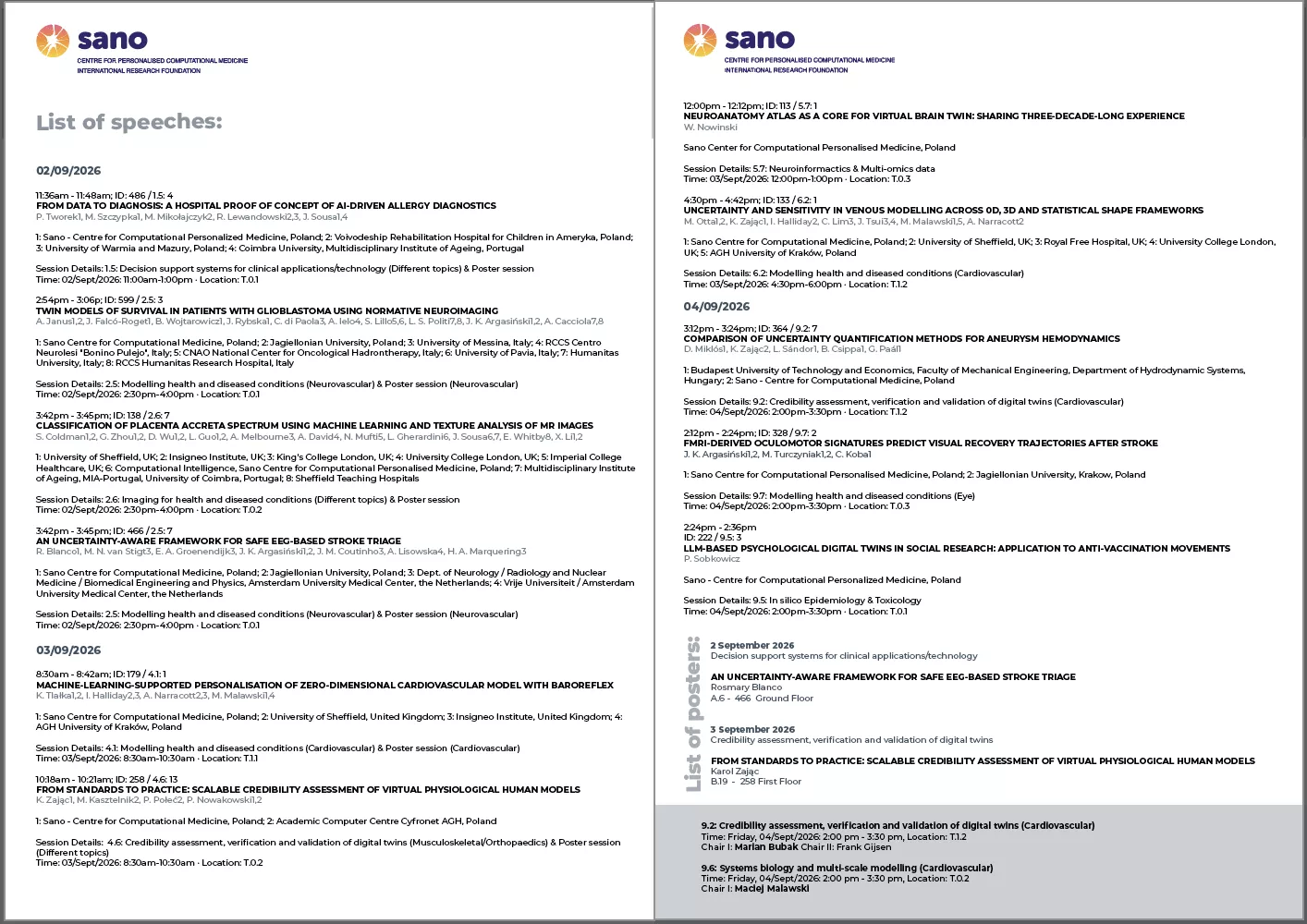
The presentation, titled The NEED Tool: A Novel Framework for Early Screening of Cognitive Impairment using Wearable EEG and Explainable Machine Learning, focused on the critical diagnostic gap that leaves many patients with Alzheimer’s disease and other dementias undiagnosed or diagnosed too late. Traditional neuropsychological assessments, largely based on subjective evaluation, often lack sensitivity in the earliest stages of the disease.
The NEED framework was as an objective, scalable, and standardizable solution designed to this problem by integrating a portable EEG device, the proprietary stimulation protocol and AI algorithm capable of automatically distinguishing healthy individuals from patients with mild cognitive impairment (MCI).
Key strengths of the approach are real-world implementation across diverse clinical environments, from specialized centers to primary care settings; specific brain stimulation protocol that captures responses from brain areas involved early in cognitive impairment; and the use of explainable AI, an essential requirement in clinical settings.
Rosmary’s presentation aligned with the main theme of the congress, “Brain and Mental Health: Navigating the Future of Neurology and Psychiatry,” which highlighted the growing role of advanced technologies in reshaping diagnostics and treatment. NEURO 2026 brought together over 200 experts from around the world, covering topics such as neuroimaging, precision psychiatry, mood and sleep disorders, and AI applications in medicine. The congress is accredited for CME credits by the European Board for Accreditation of Continuing Education for Health Professionals (EBAC), underscoring the high scientific and clinical standards of the event.
Participation in the congress provided an opportunity not only to present NEED on an international stage but also to establish collaborations with experts in neurology, psychiatry, and biomedical engineering. As the event demonstrated, the future of brain health lies in the integration of science, technology, and clinical practice, and solutions like NEED are well positioned to play a key role in that transformation.
Recognition: A Collaborative Success
The development of the NEED tool is the result of a strong collaborative effort between Rosmary and her colleague Luca Gherardini, who also attended the conference.
The value of their joint research was formally acknowledged by a highly prestigious scientific committee, which included prominent figures such as Dr. Stephen E. Nadeau (University of Florida) and Prof. Allal Boutajangout (NYU Langone). We are proud to share that Rosmary received a Certificate of Recognition for her oral presentation.
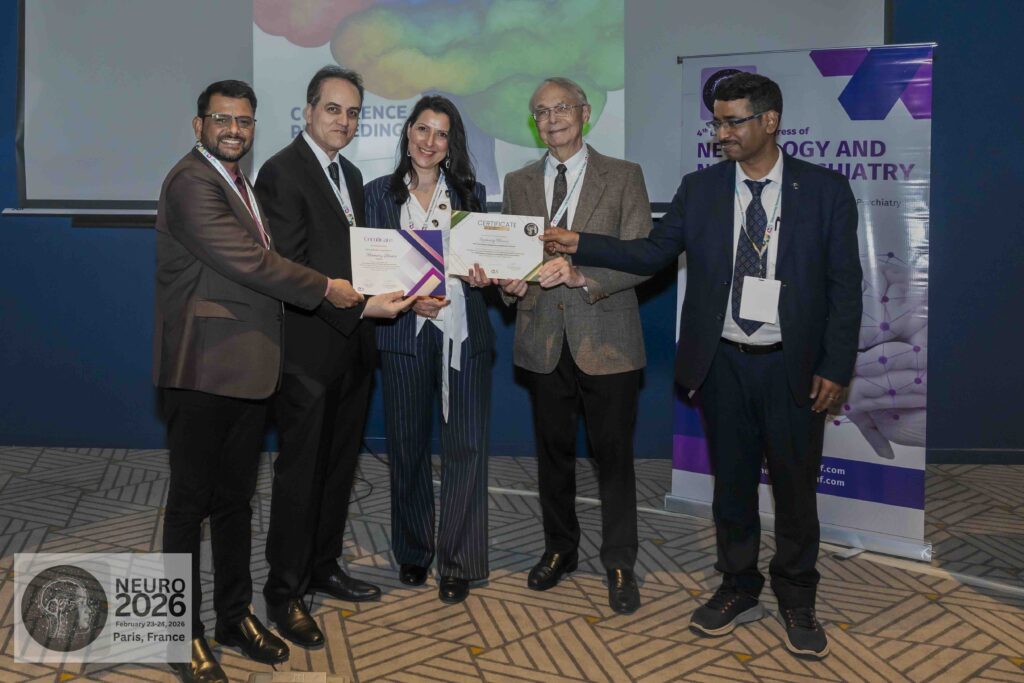
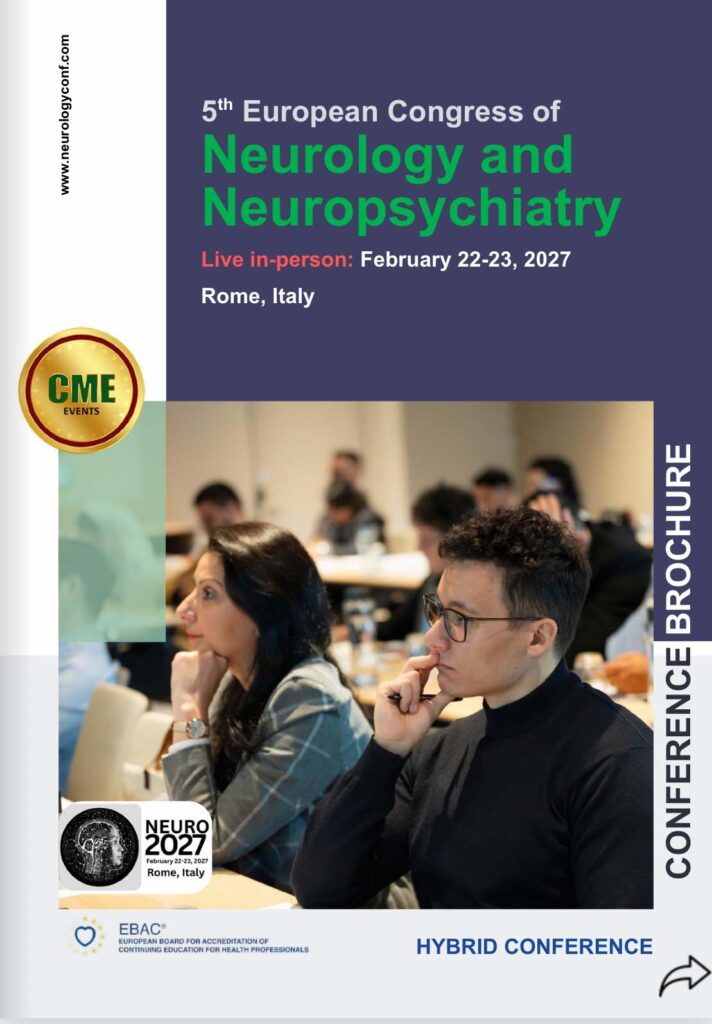
Furthermore, the impact of their project was such that they were chosen to be featured on the front cover of the official NEURO 2027 brochure, with Rosmary also highlighted in the “Awards” section of the upcoming congress. This international recognition is not only a testament to their hard work, but it also underscores the importance of the NEED tool and the Sano Center’s commitment to advancing brain health through Computational Methods.