The 4th GEMINI Consortium Meeting Held in Krakow
Collaborative steps toward improving stroke diagnosis and treatment The fourth meeting of the GEMINI project consortium took place in Krakow on May 12–13, 2025, co-hosted by the Sano Centre for Computational Medicine and the Academic Computer Center Cyfronet AGH. Partners from across Europe came together for two days of focused discussions, coordination, and collaborative planning. […]
Collaborative steps toward improving stroke diagnosis and treatment
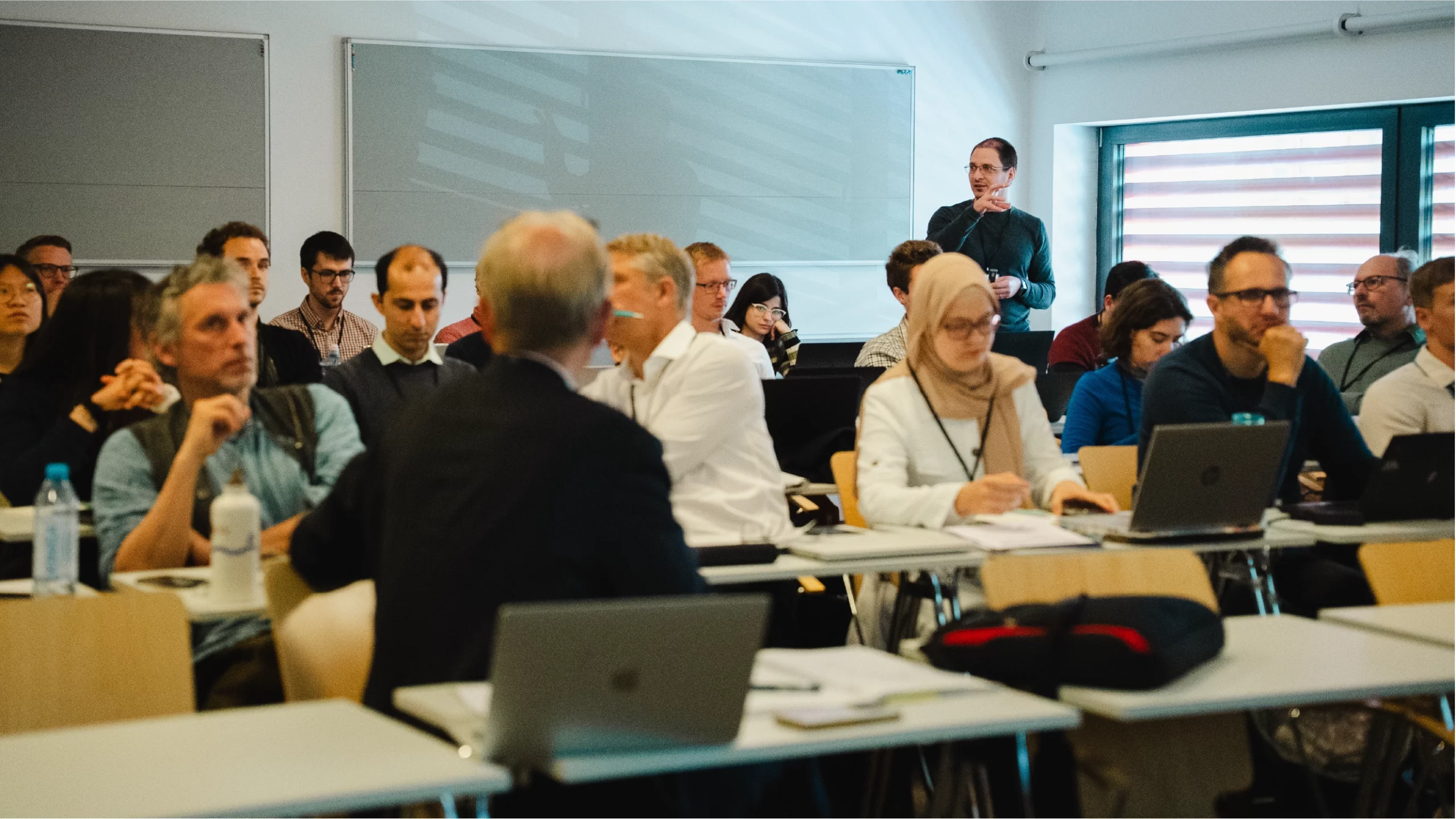
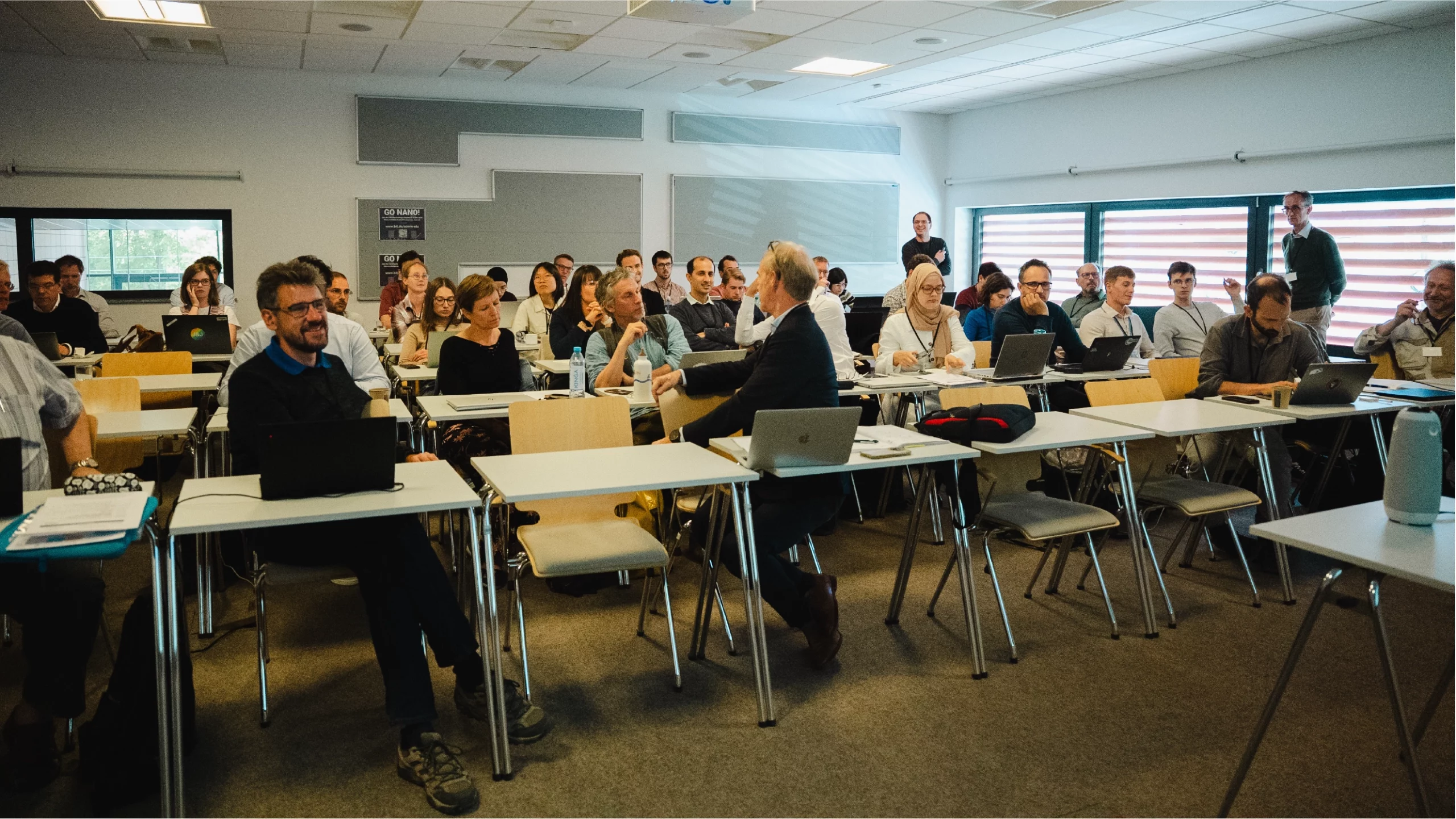
The fourth meeting of the GEMINI project consortium took place in Krakow on May 12–13, 2025, co-hosted by the Sano Centre for Computational Medicine and the Academic Computer Center Cyfronet AGH. Partners from across Europe came together for two days of focused discussions, coordination, and collaborative planning.
The event opened with a plenary session at the Academic Centre for Materials and Nanotechnology (ACMiN), followed by parallel thematic sessions held at both ACMiN and Cyfronet facilities. This in-person gathering provided a valuable opportunity to reflect on recent achievements, identify current challenges, and jointly shape the next phases of development.
Representing Sano were Marian Bubak (Scientific Affairs Director and Project Lead at Sano), Piotr Nowakowski (Scientific Programmers Manager), and Karol Zając (Scientific Programmer). Sano’s contribution to the project has centered on ensuring robust software quality assurance as well as verification and validation of computational tools designed to support stroke diagnosis and treatment.
The GEMINI project is focused on enhancing clinical outcomes for patients affected by acute ischaemic and haemorrhagic stroke. Through the creation of advanced, patient-specific models—including multi-organ and multi-scale Digital Twins—the project aims to assist clinicians in making faster, more accurate, and more personalised decisions. Regular meetings like the one held in Krakow are essential to maintaining scientific alignment, exchanging expertise, and accelerating progress. They allow partners to assess the status of ongoing work, share insights, and address open questions collaboratively.
Thank you to all participants for contributing to a productive and inspiring meeting.
Photos from the Krakow meeting are available below.